Year:
August 2024 — May 2025
Duration:
9 months
Project Members:
Samarth Ashwathanarayana, Sanjay Kumar Balaji, Samita Prakash Belliganood, Ananya Kaipa, Yabing Yang
Research and Discovery
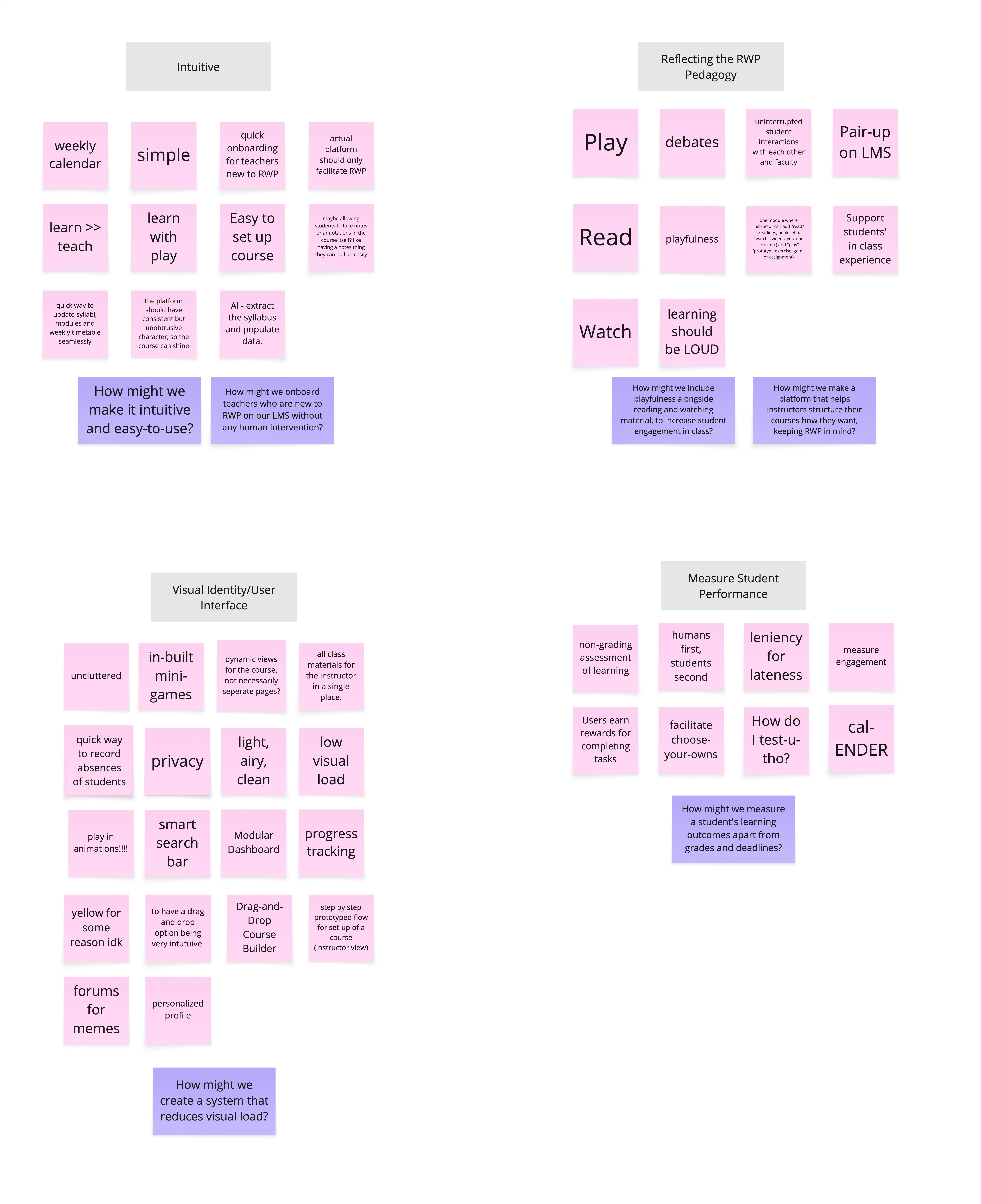
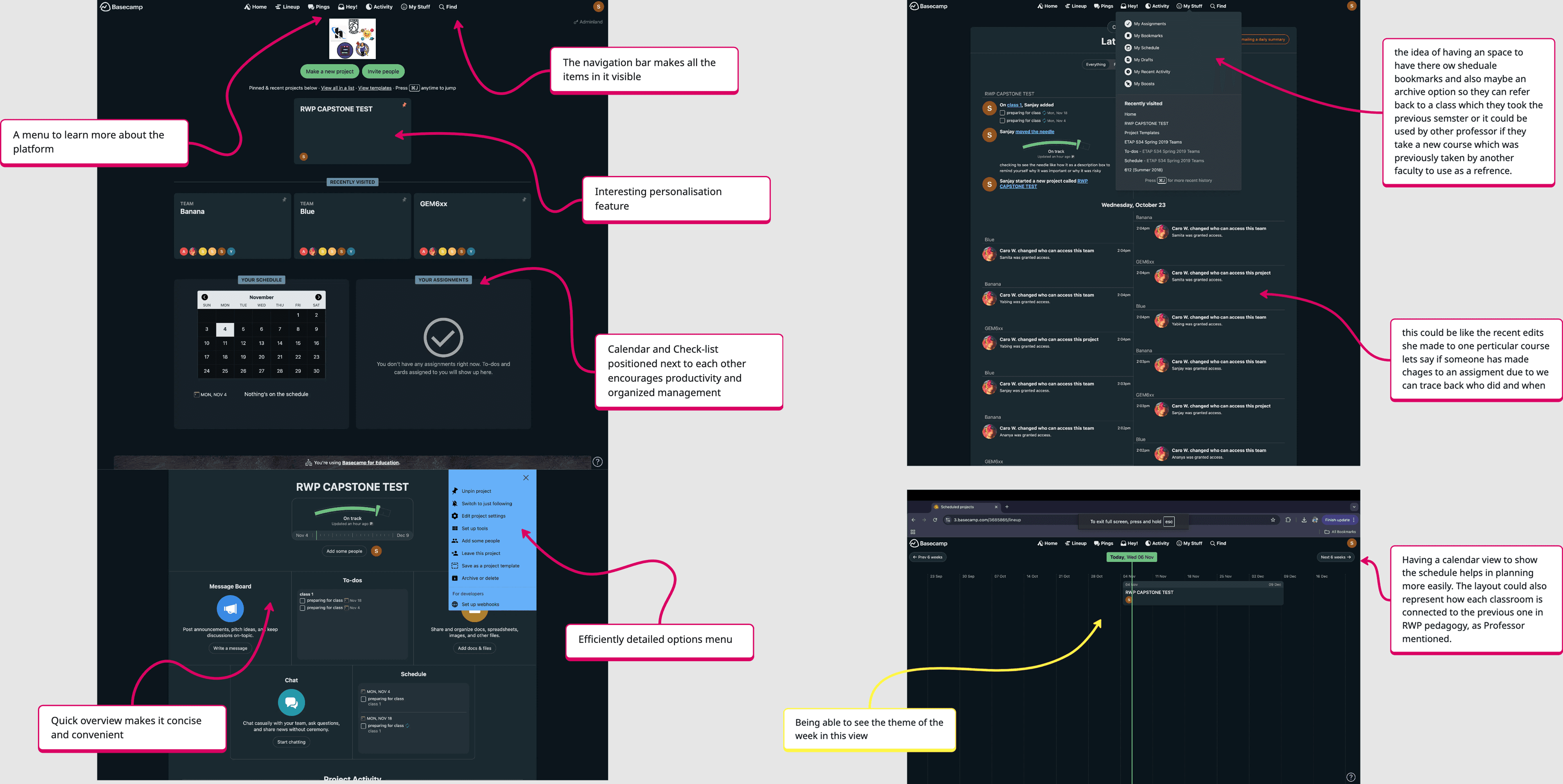
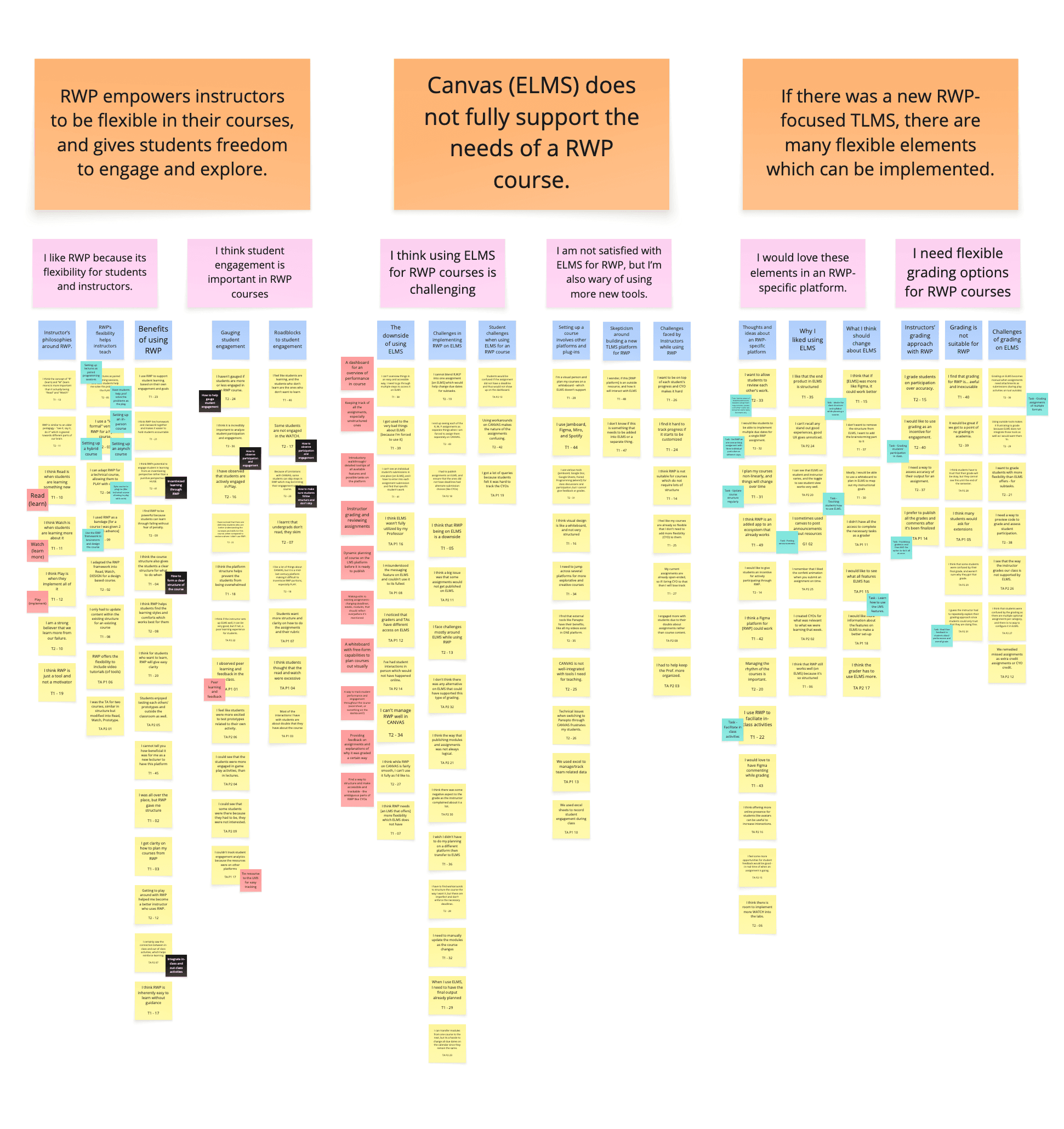
Our team conducted a competitive analysis of other Learning Management Systems (LMS), such as Canvas and Google Classroom. We conducted user interviews with instructors who teach using the Read-Watch-Play (RWP) pedagogy, as well as focus groups with students in RWP-based courses.
Our Solution
Playwise is a flexible platform and pedagogy intended to be humane for both students and teachers alike. It is designed for the Read-Watch-Play pedagogy, which centers play as a form of learning both in and out of the classroom.
Identifying the Gap
Current platforms support teaching pedagogies which rely on grading and comments as the main way to provide feedback.
Designing an RWP course requires ideation, iterations and planning which is not supported by current LMSs.
While Read and Watch activities are covered by most LMSs and their integrations, creating Play activities for loud gleeful learning is missing.
Existing Painpoints
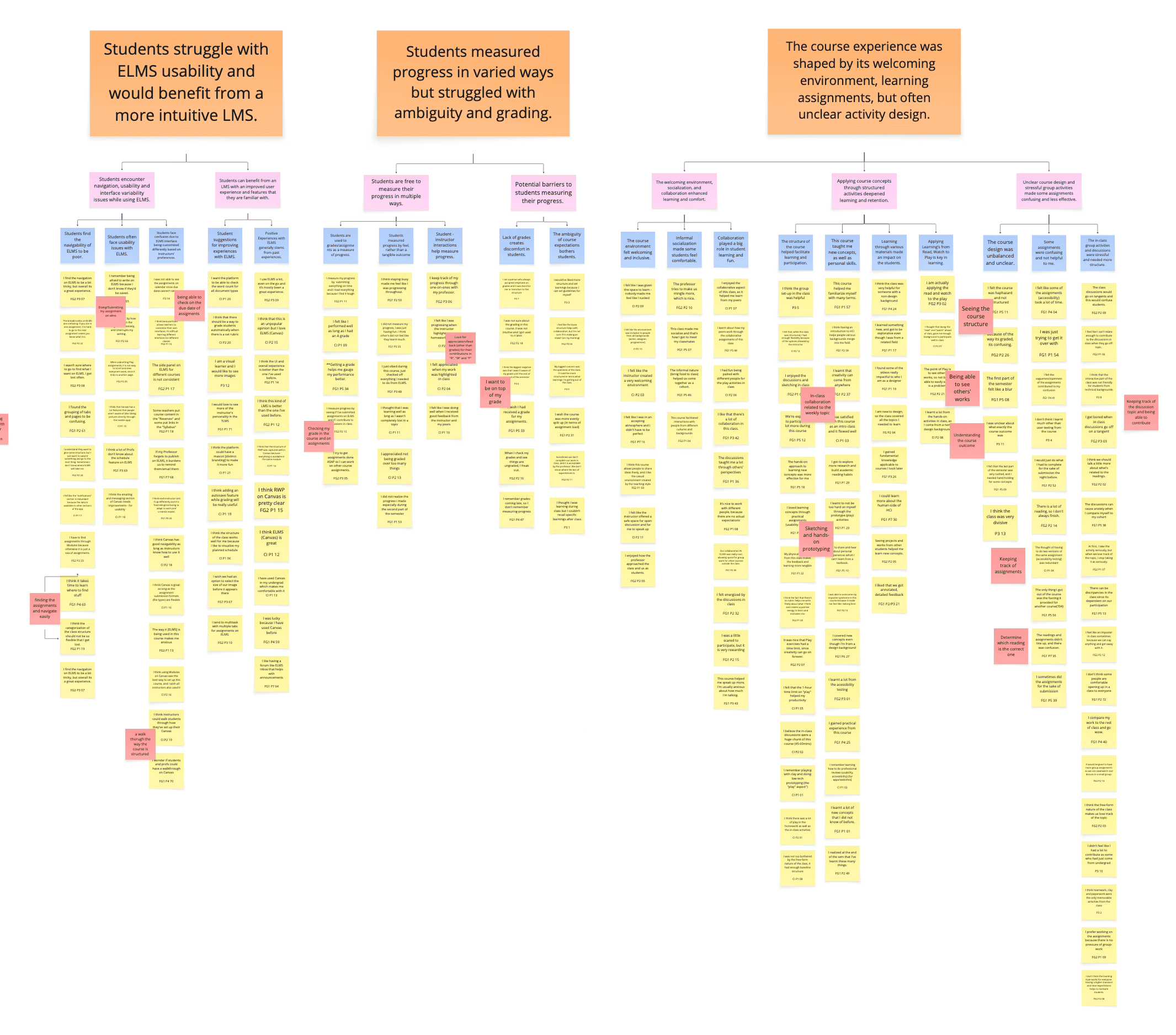
Students in RWP courses found the current LMS unintuitive, and often found activities and the grading mechanisms unclear.
Instructors find some parts of the current LMS helpful for RWP courses, but need more flexibility and student engagement.
Ideation
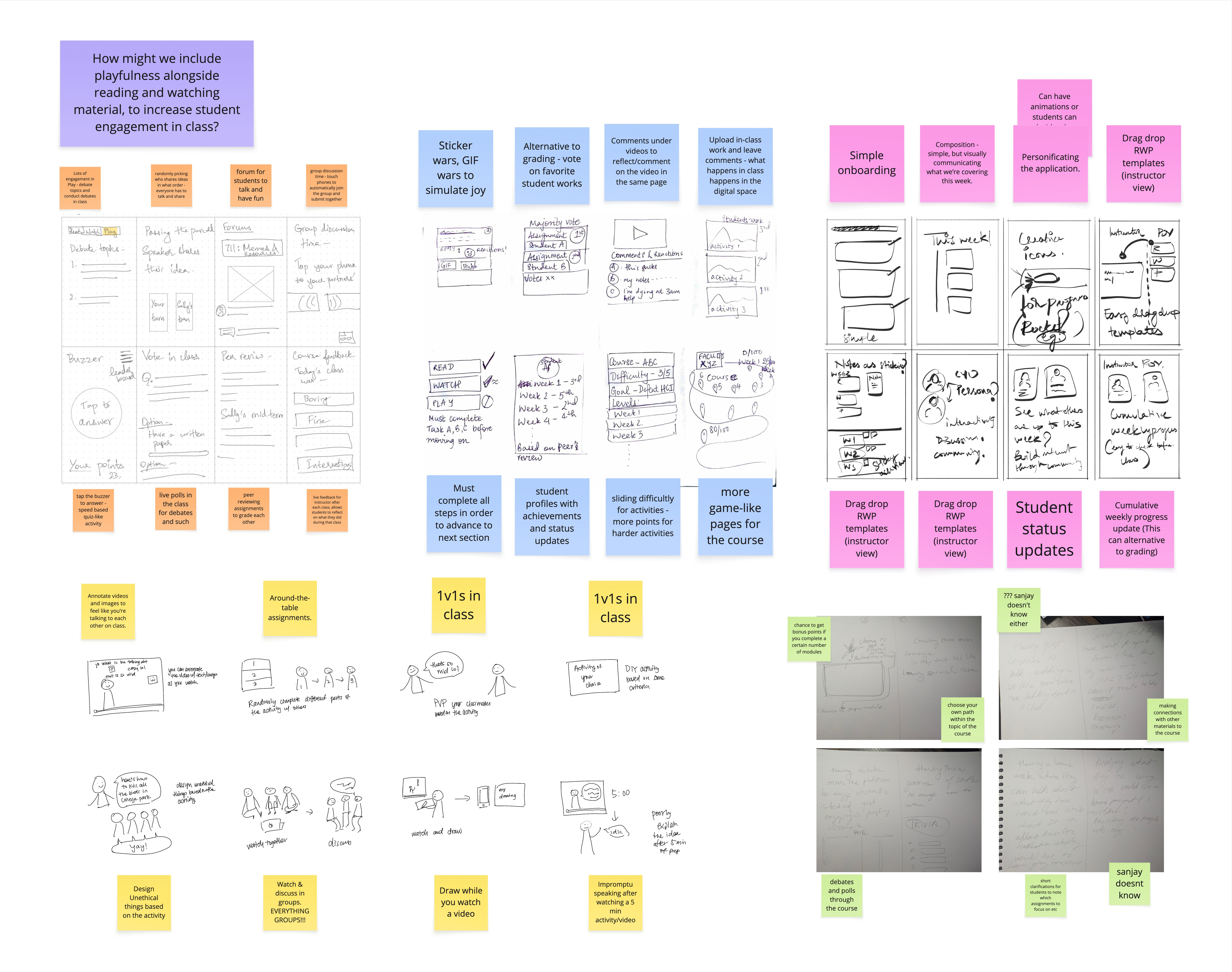
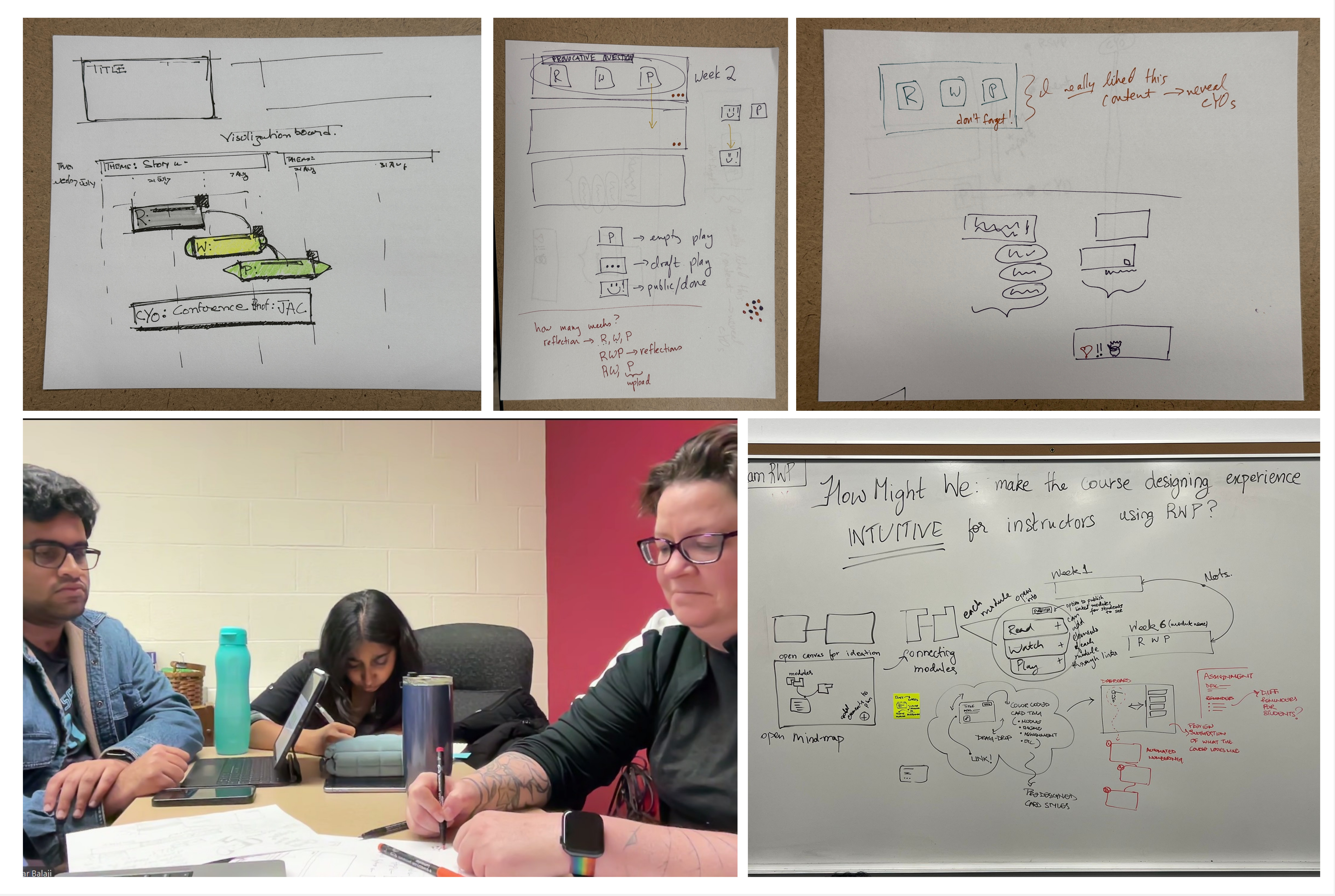
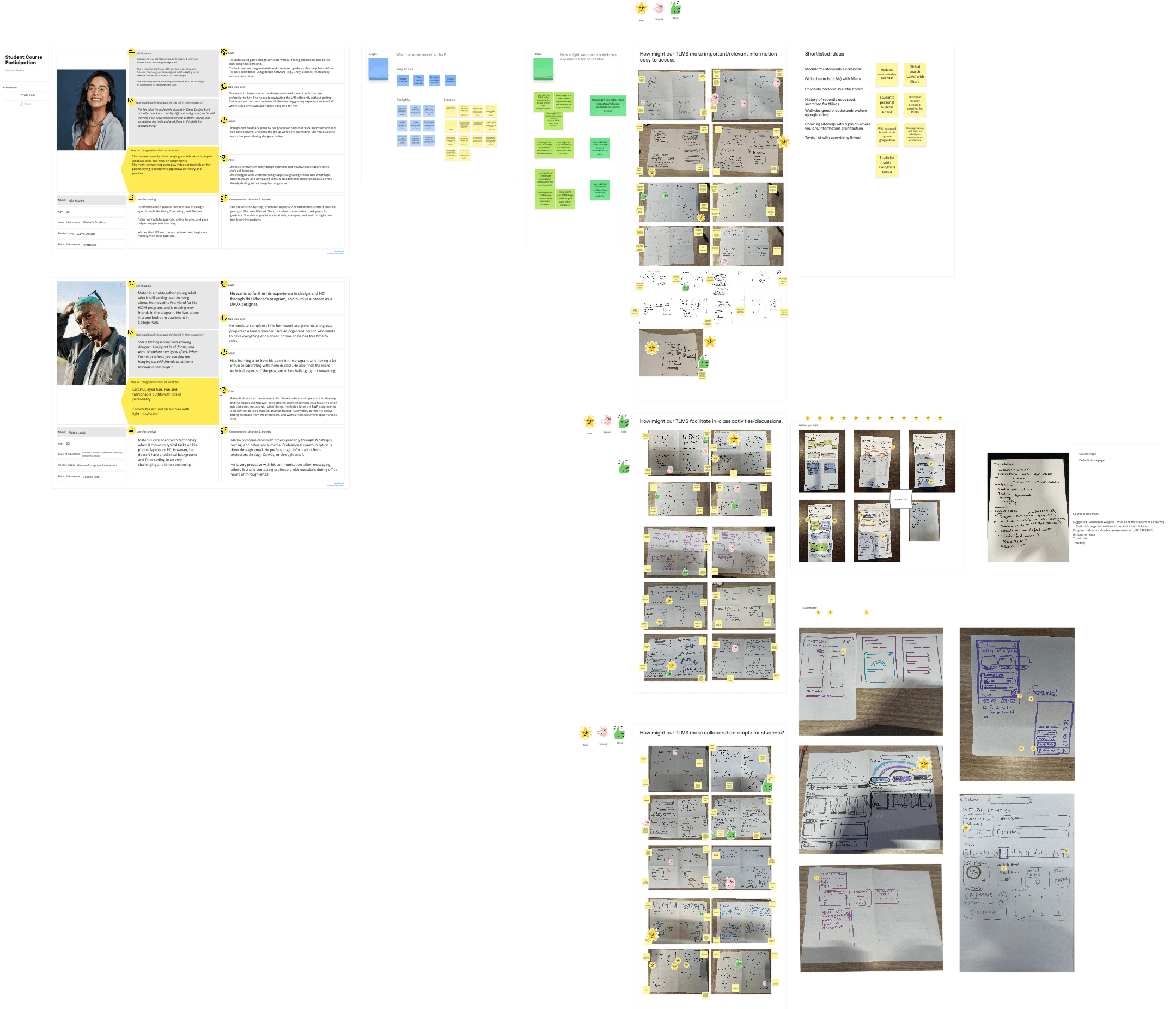
During the ideation phase, our team created sketches, wireframes, and ideas explaining features, potential mobile screens, layouts and user flows.
We held quick, non-constrained ideation sessions using the crazy-8s method to generate ideas in and out of the screens.
Two co-PIs of the RWP project pitched in their ideas to help guide the instructor’s side of the platform.
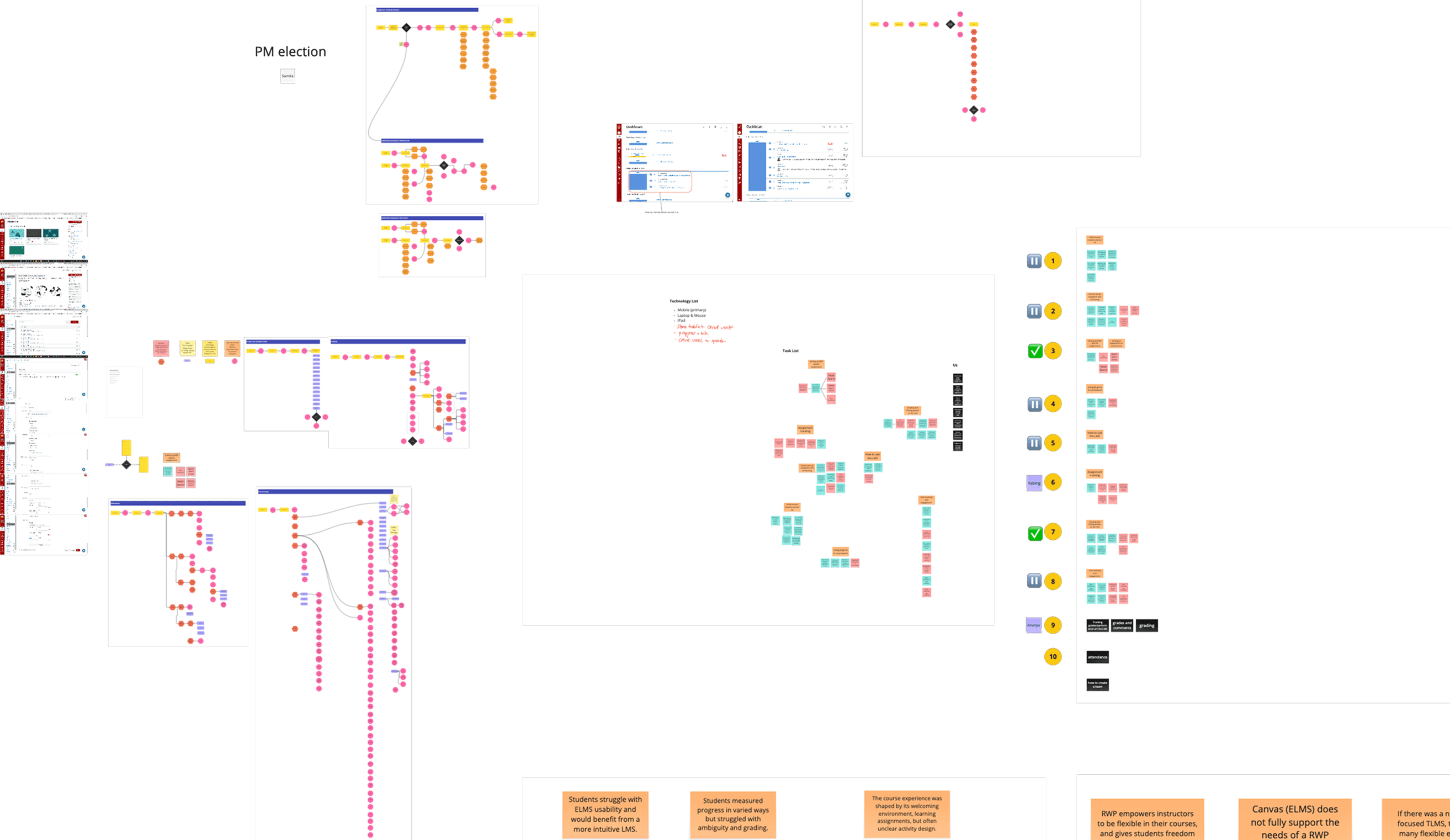
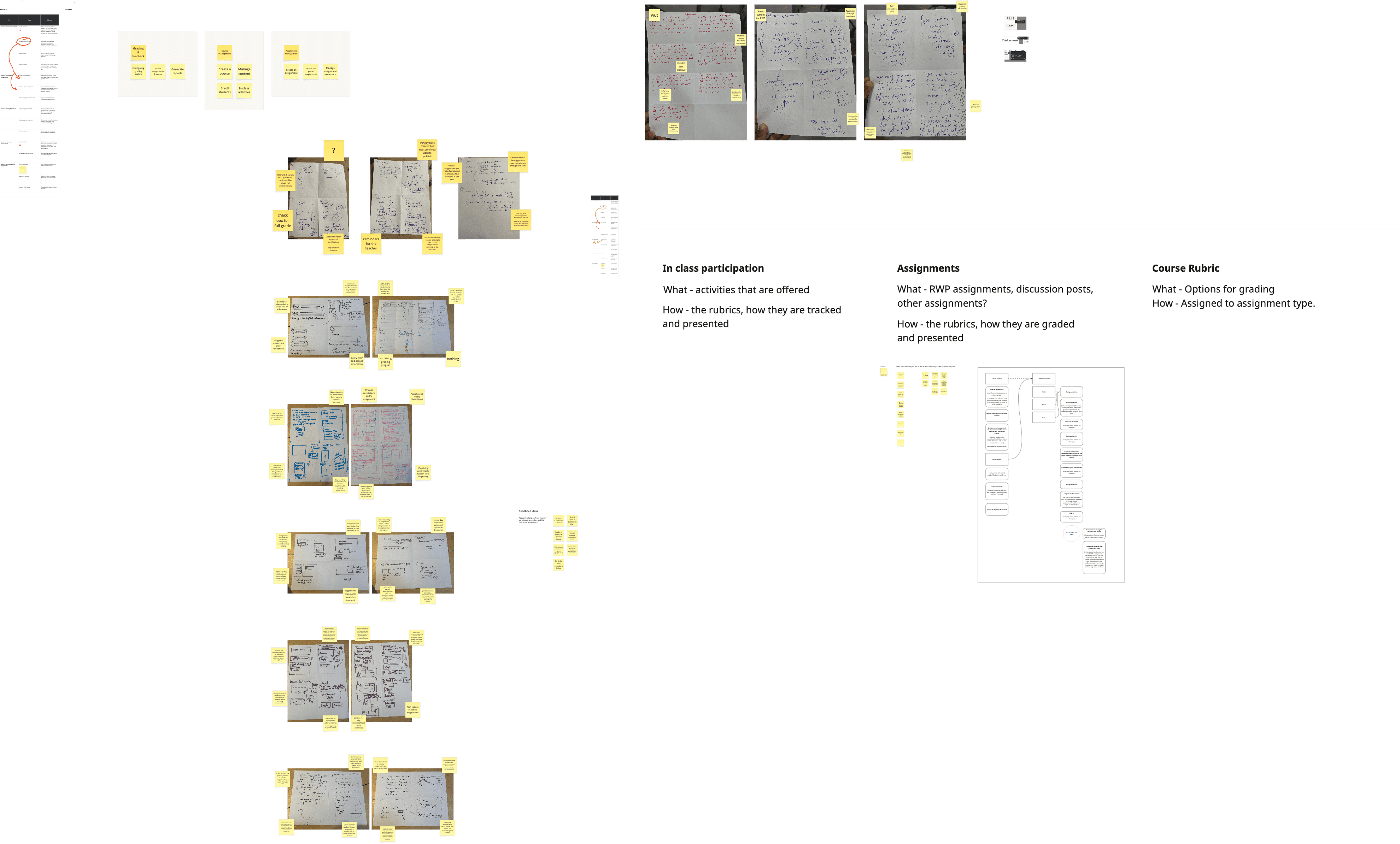
From these sessions, we compiled a list of all tasks for both student-side and instructor-side of the platform. Then, the team made flow charts of existing workflows on Canvas, to extract key elements that are required for tasks. These workflow diagrams were used for reference while designing the platform.
User Flows
We created 10 total user flows:
5 key flows for the student-side, with a mobile-first design.
3 key flows for the teacher-side on a desktop view.
We used paper prototypes to visualize and understand the flows.
Low-Fidelity
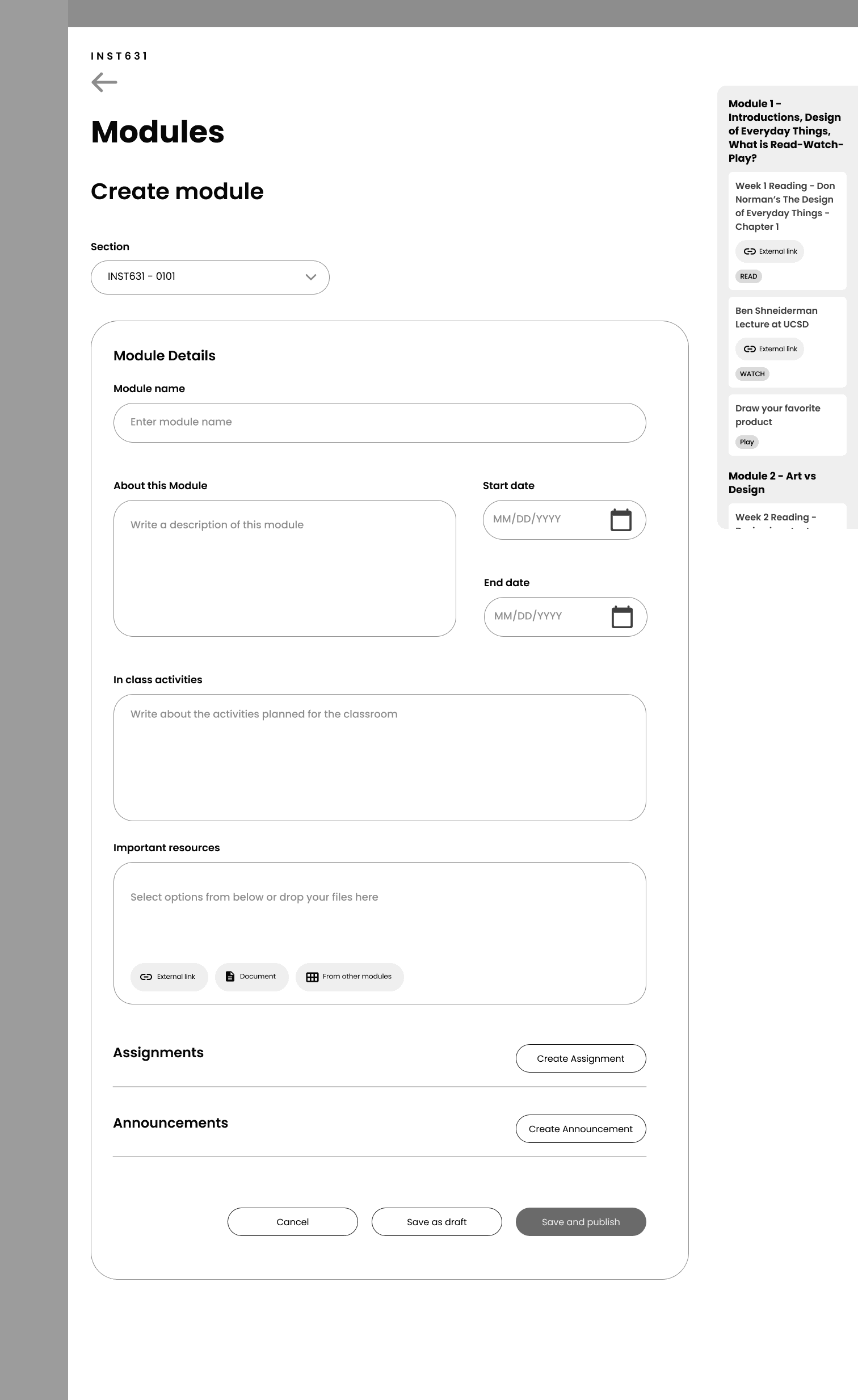
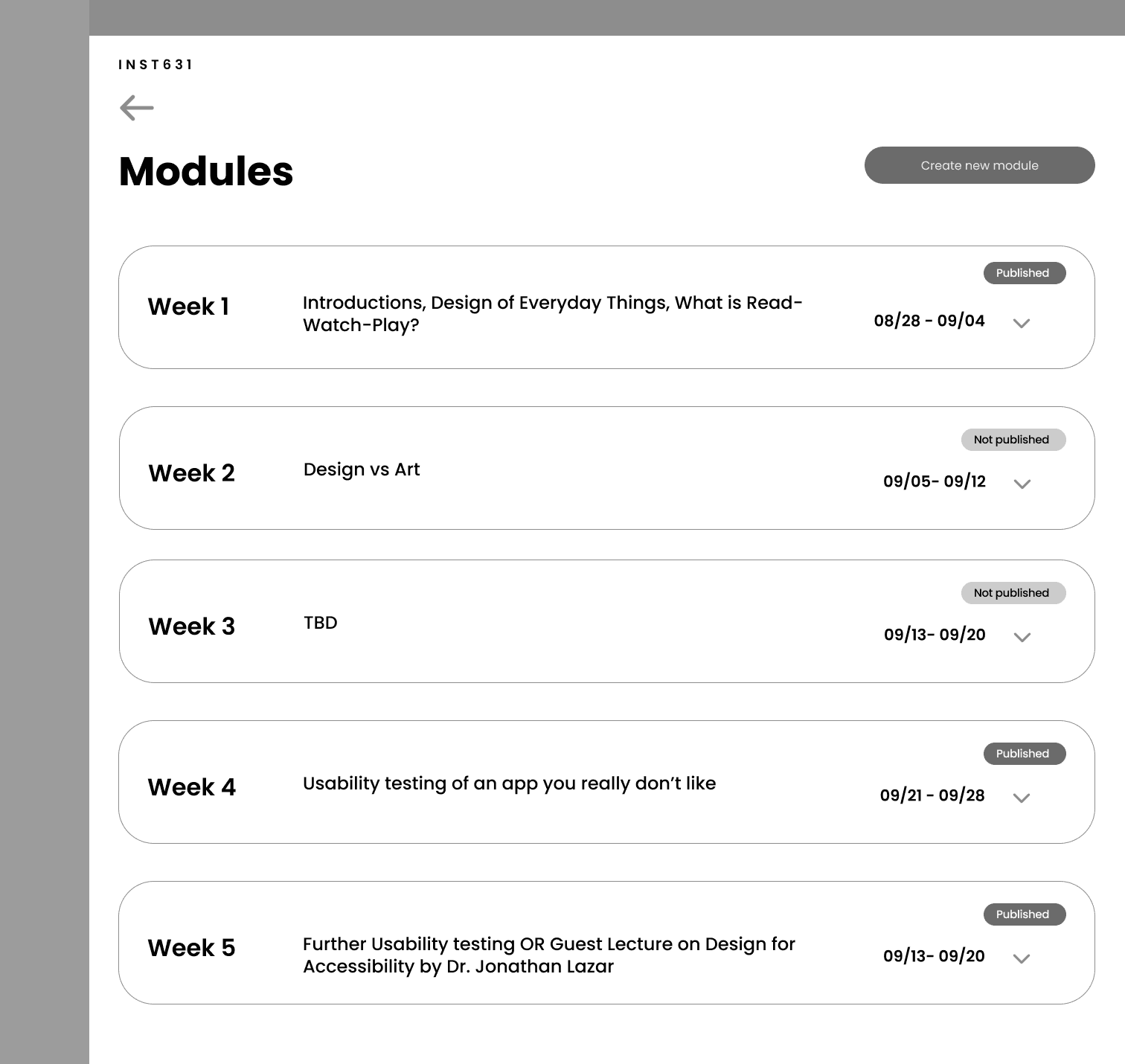
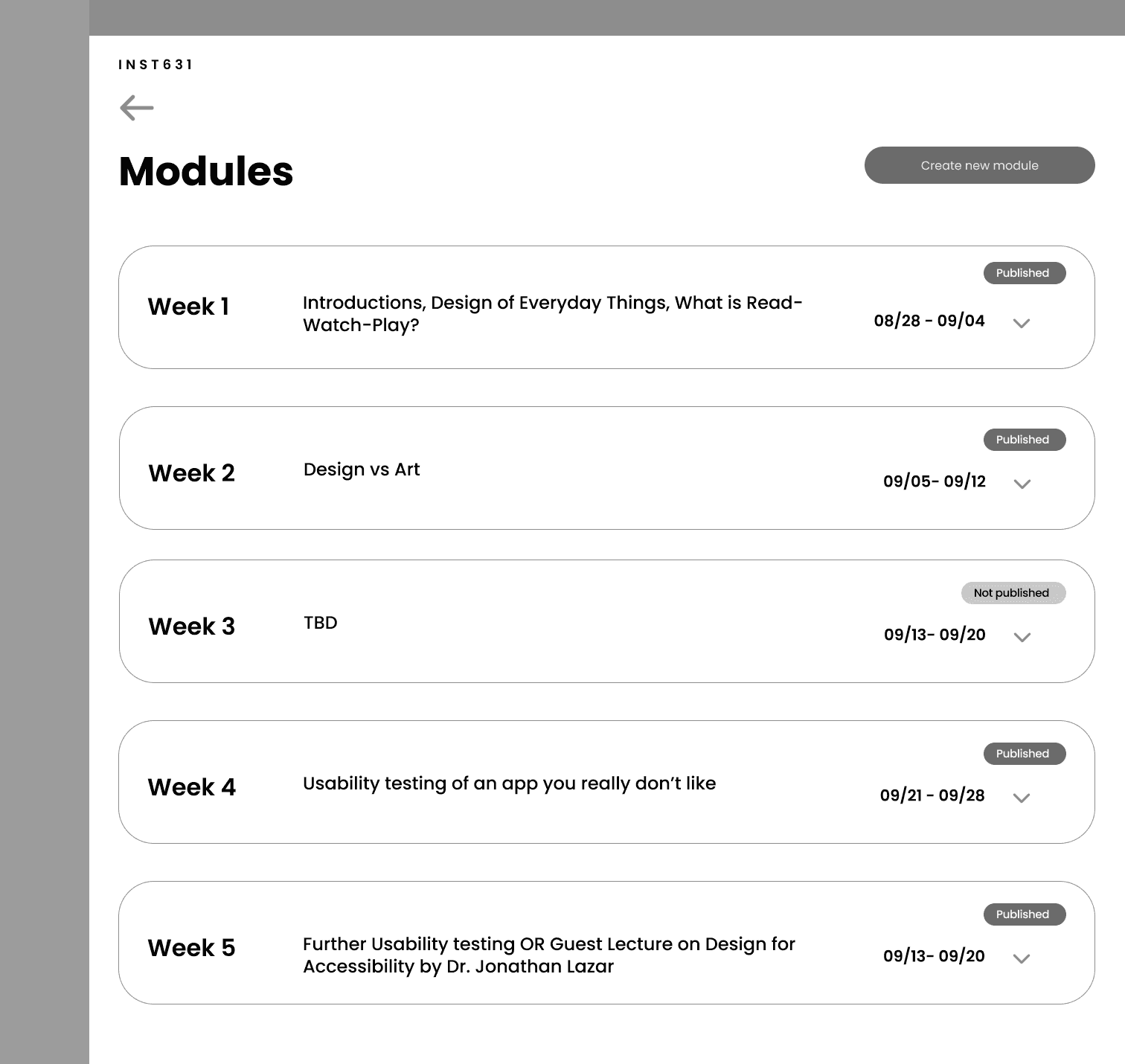
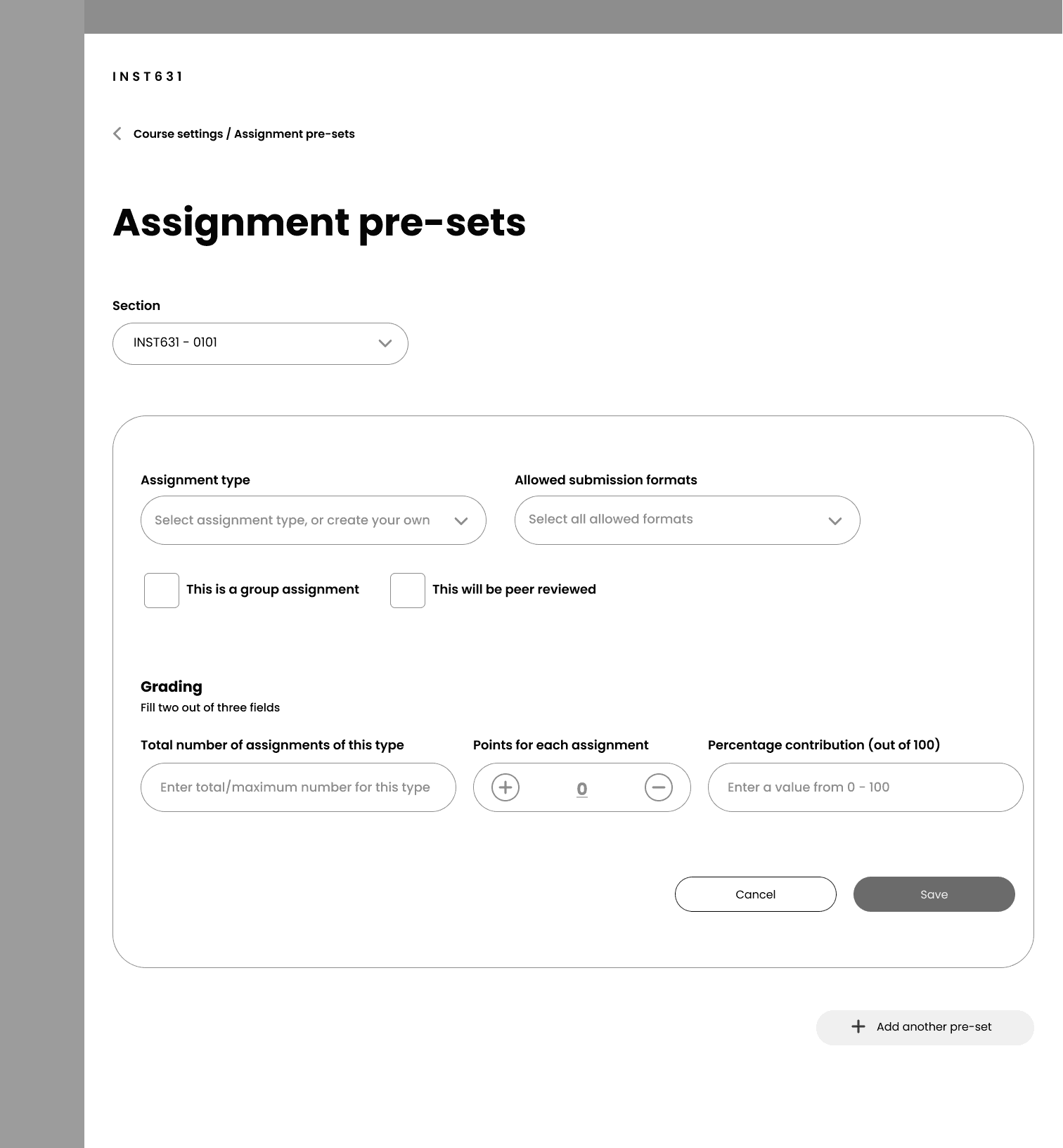
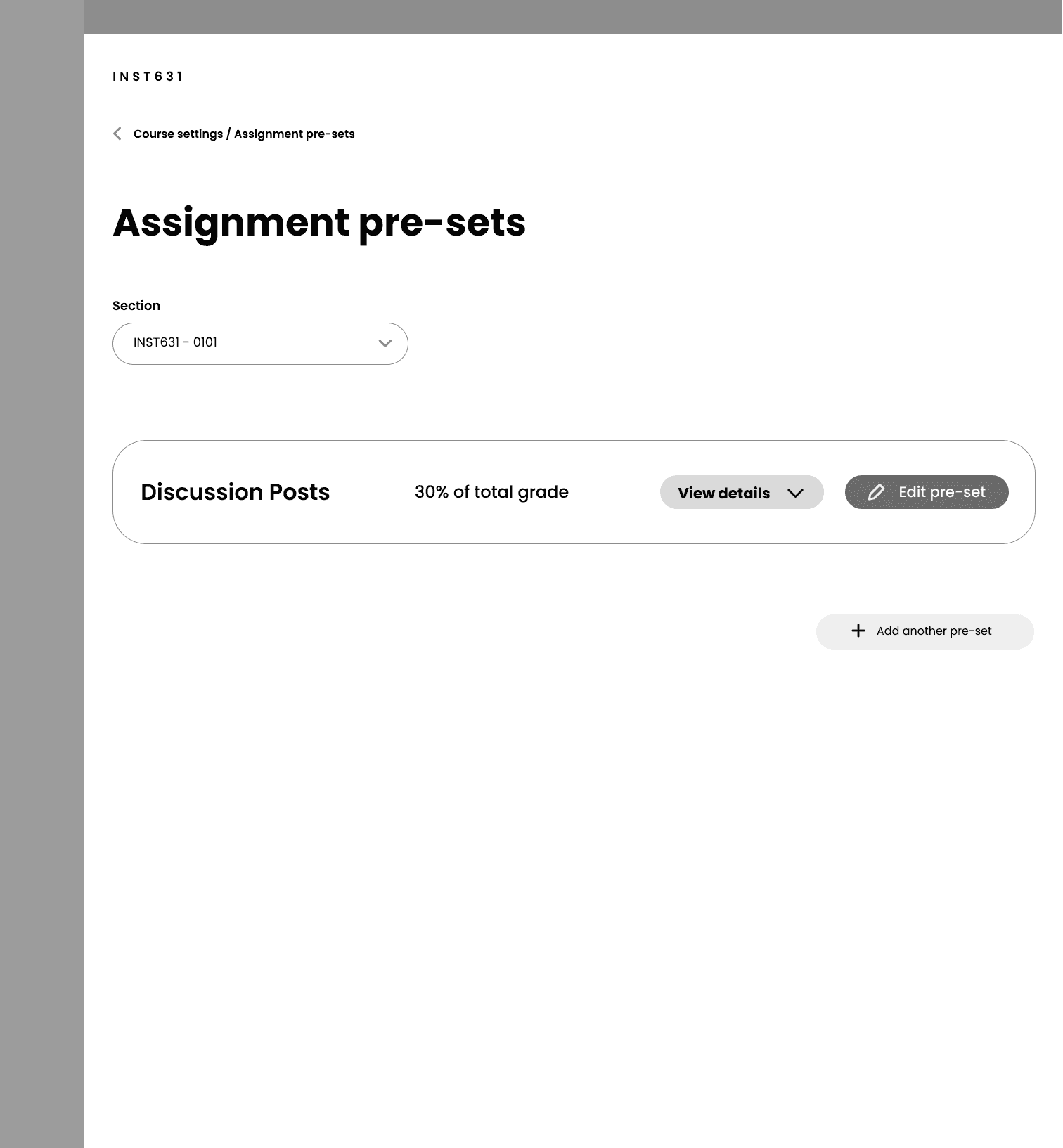
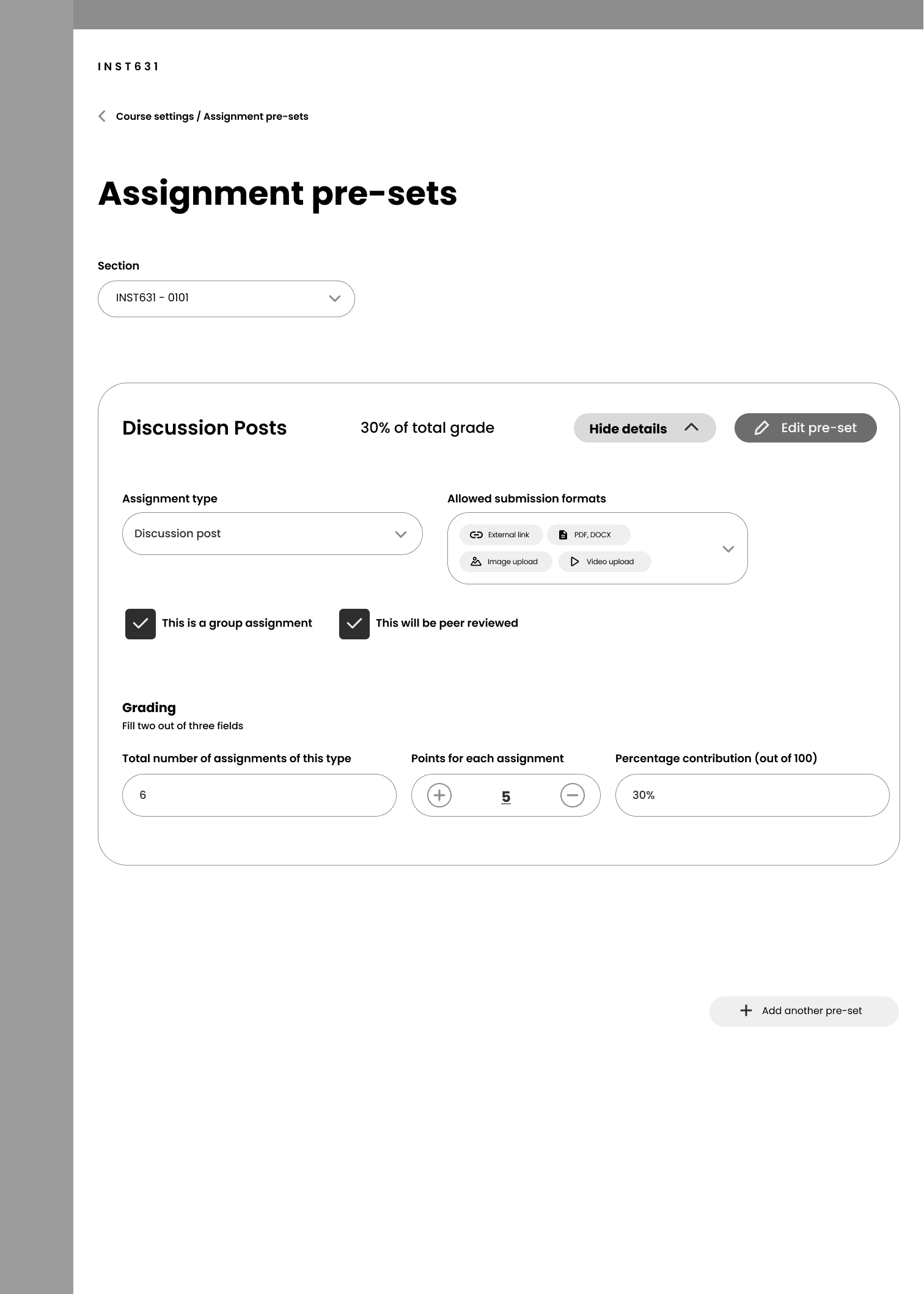
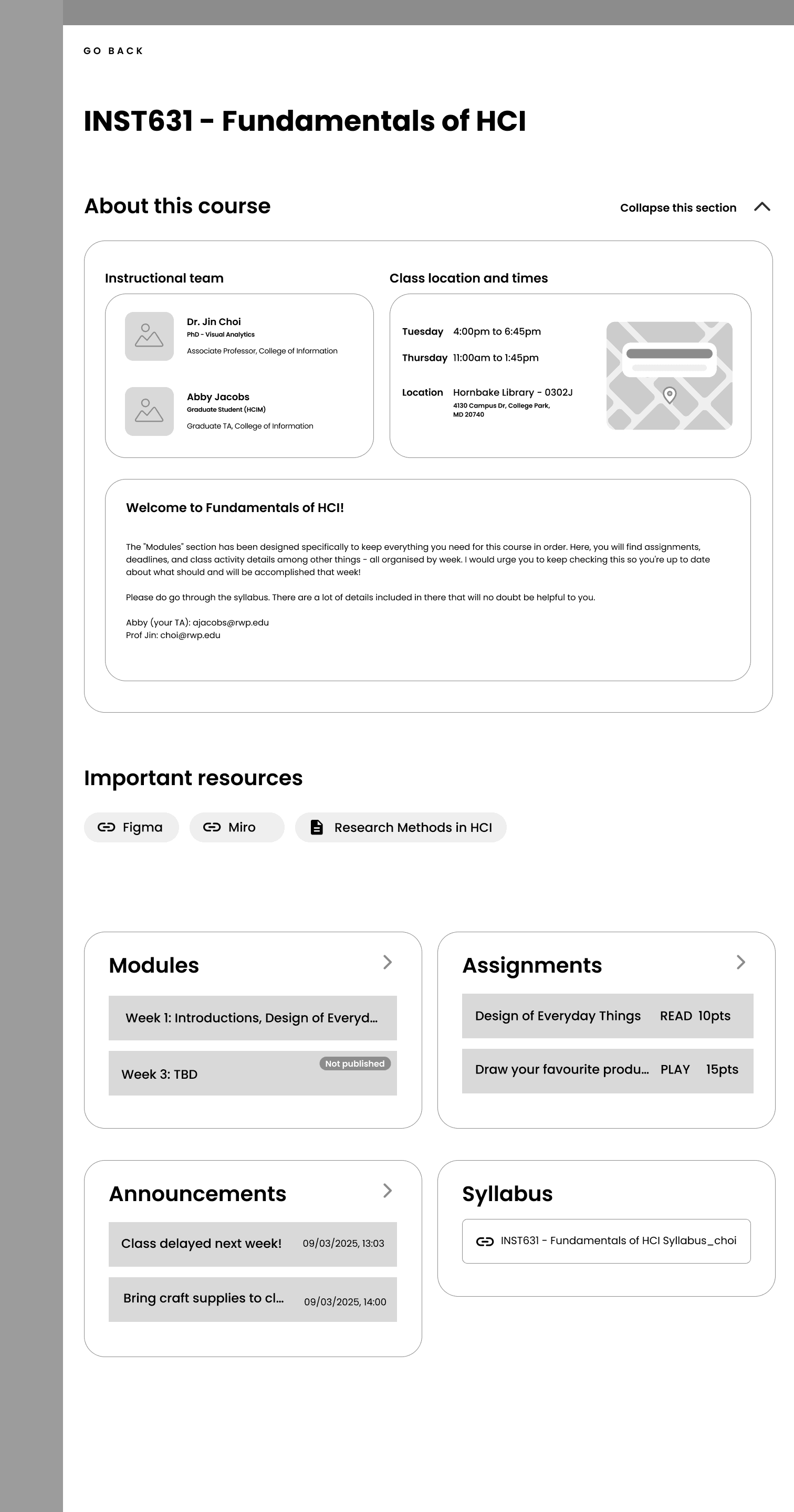
Our low-fi wireframes were created in Figma from iterating on the paper prototypes after group feedback. We gathered feedback from the client, and expanded these wireframes into mid-fi prototypes for testing.
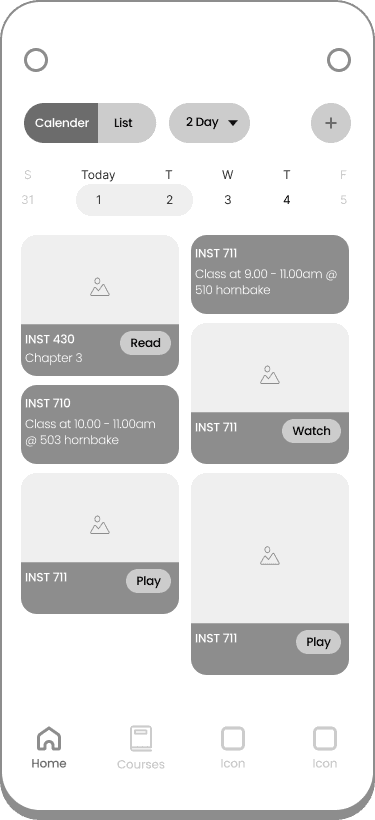
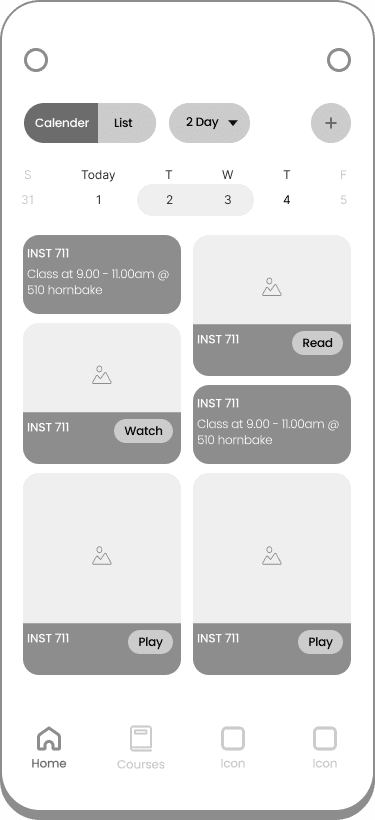
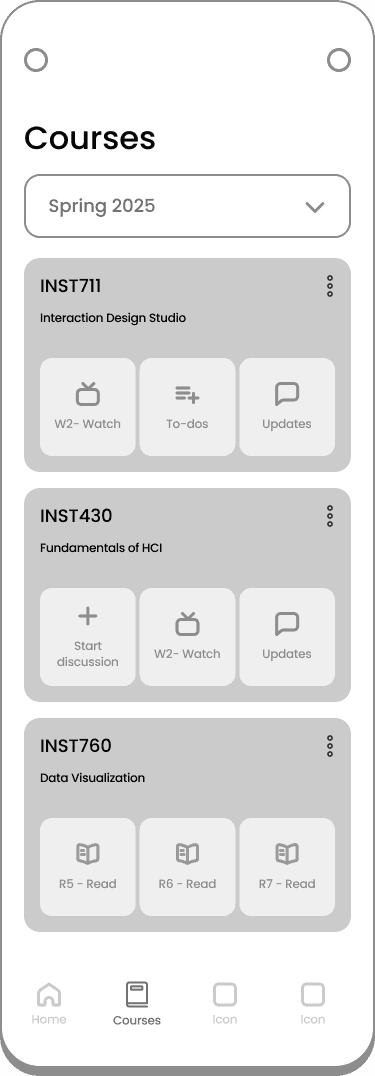
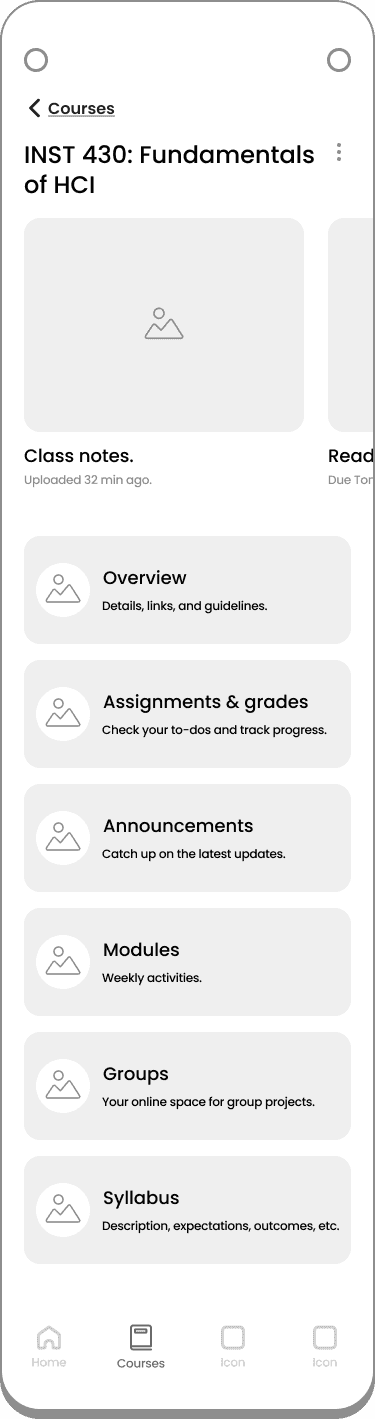
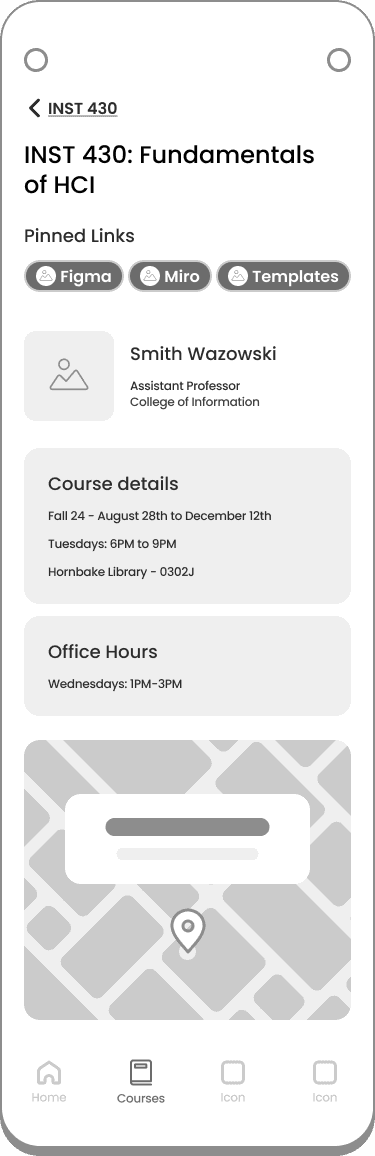
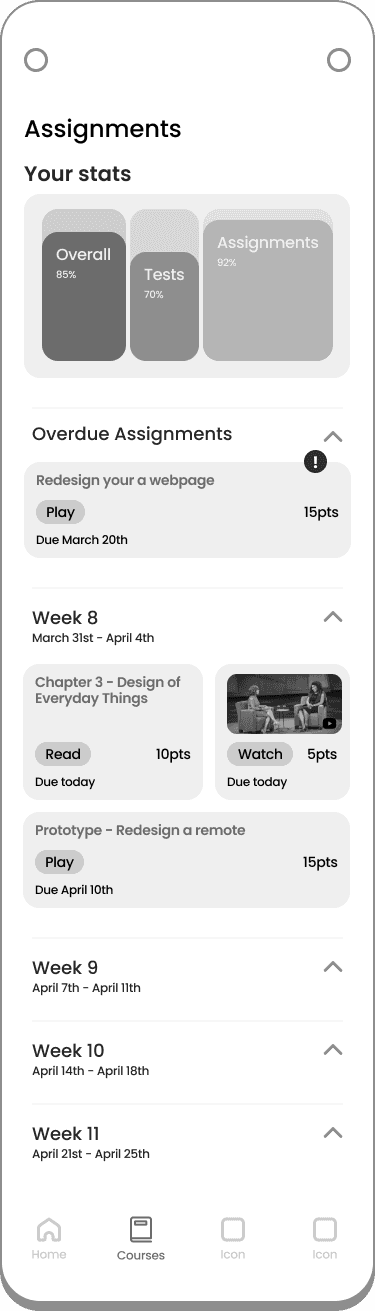
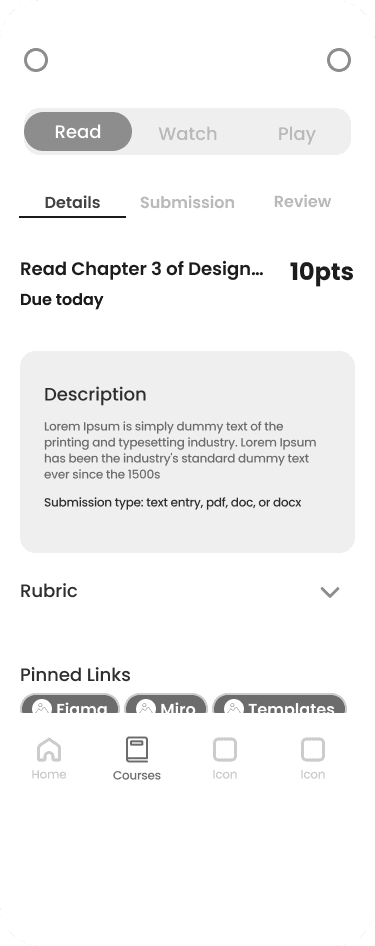
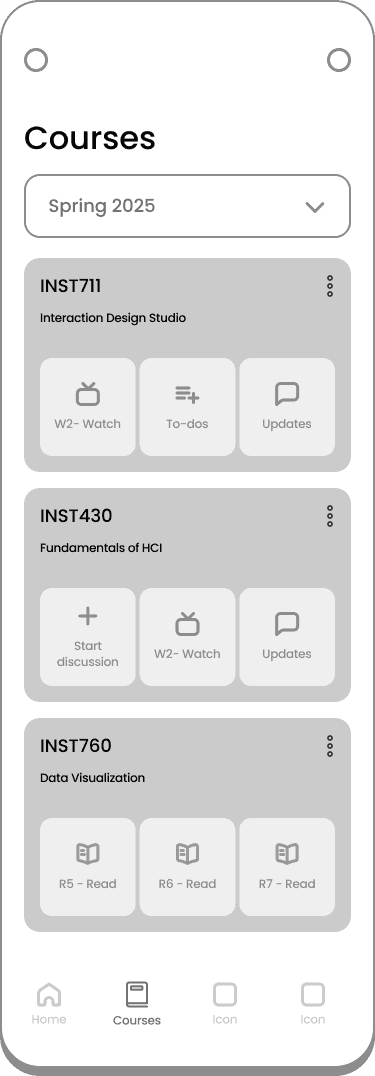
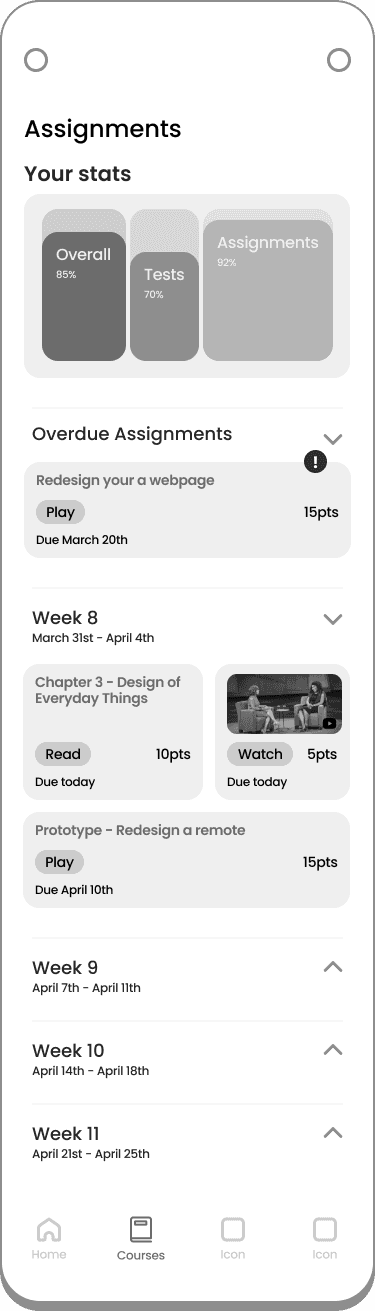
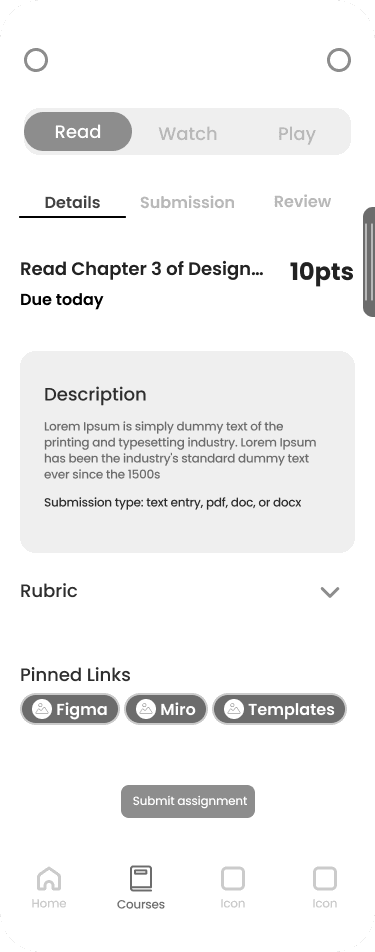
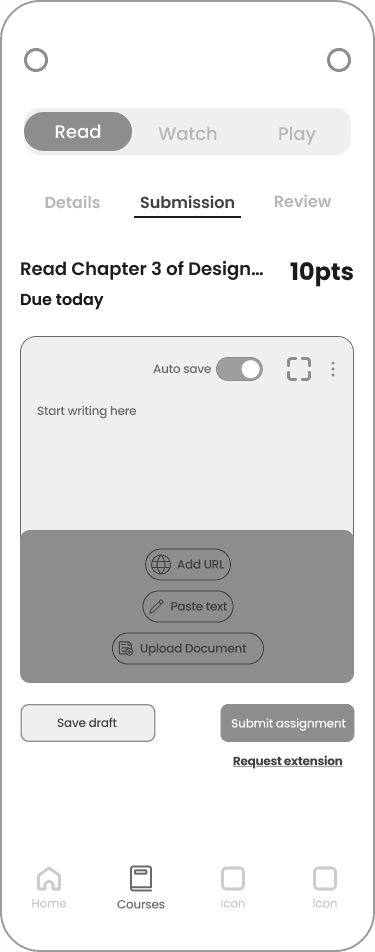
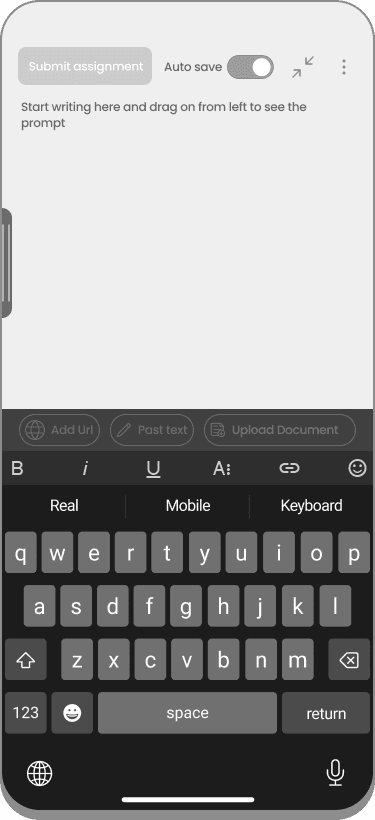
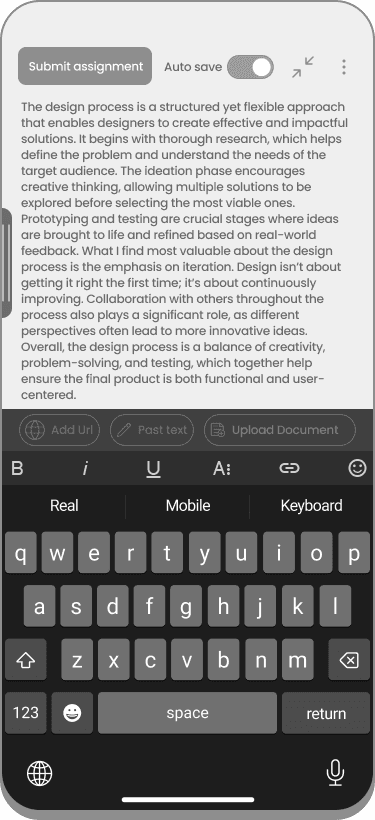
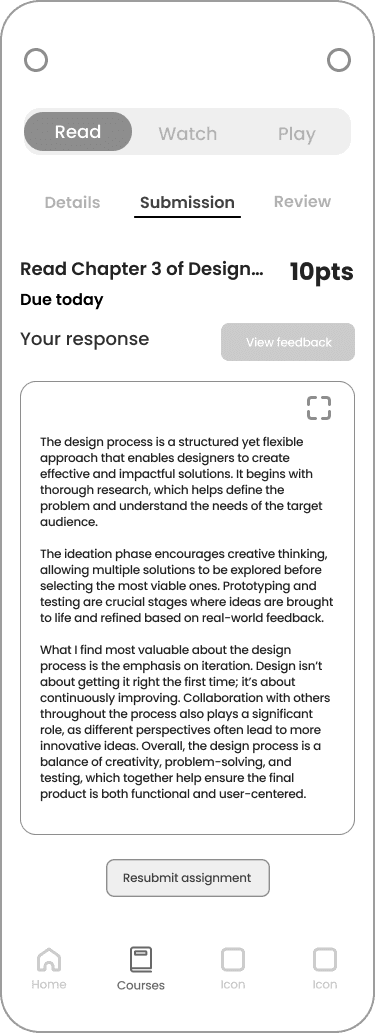
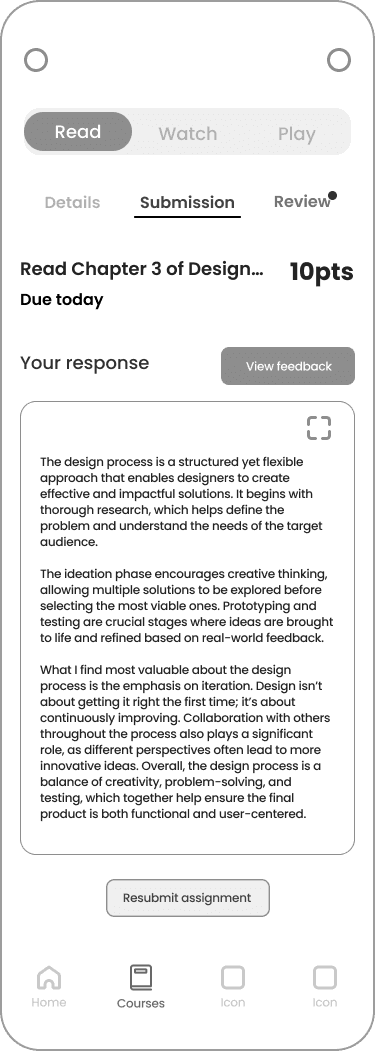
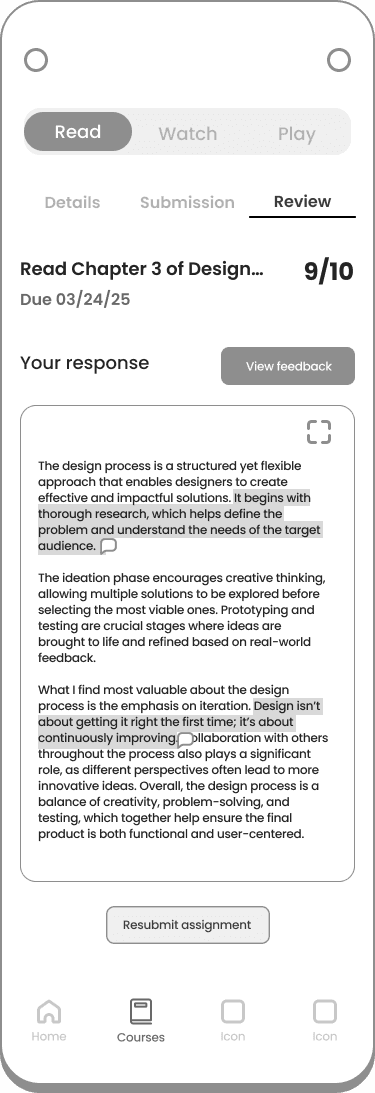
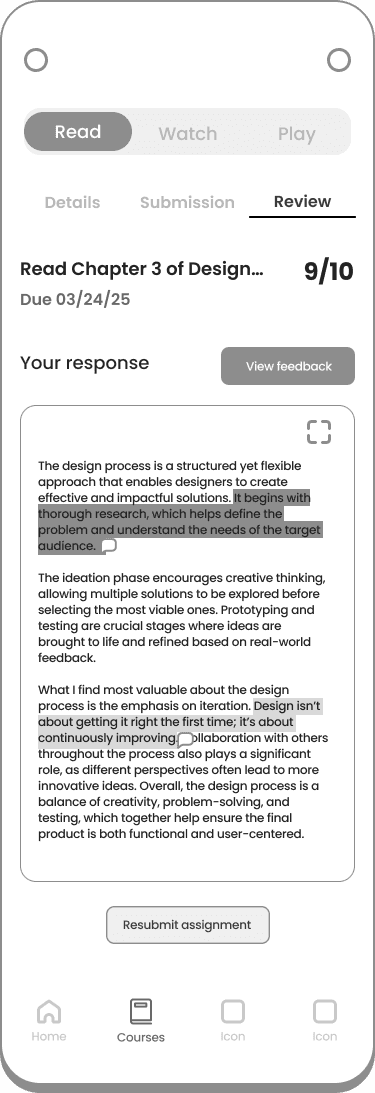
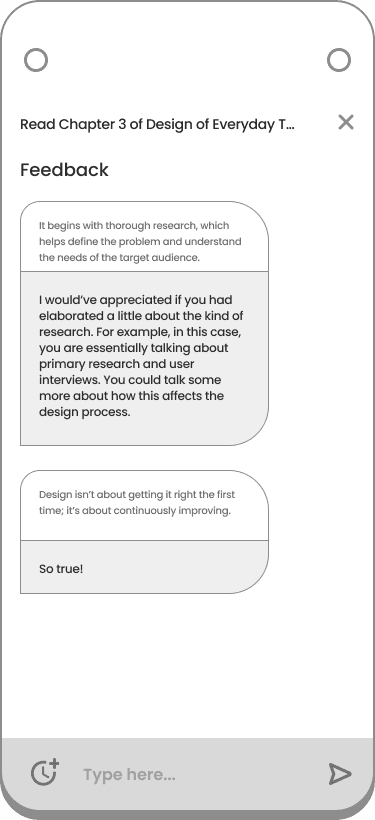
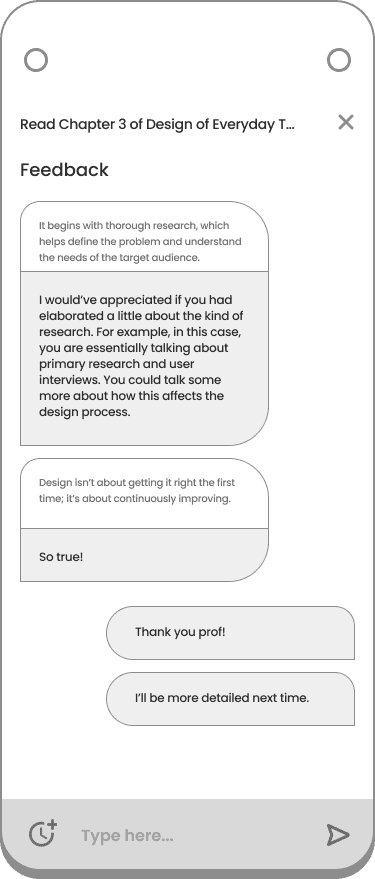
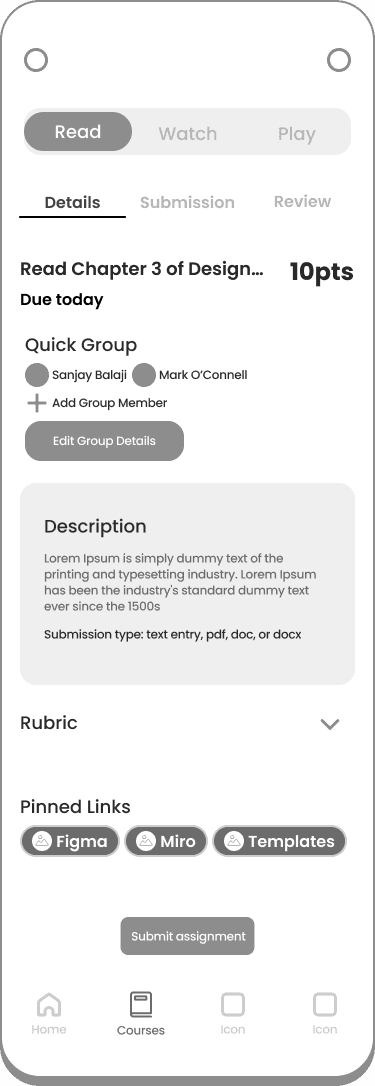
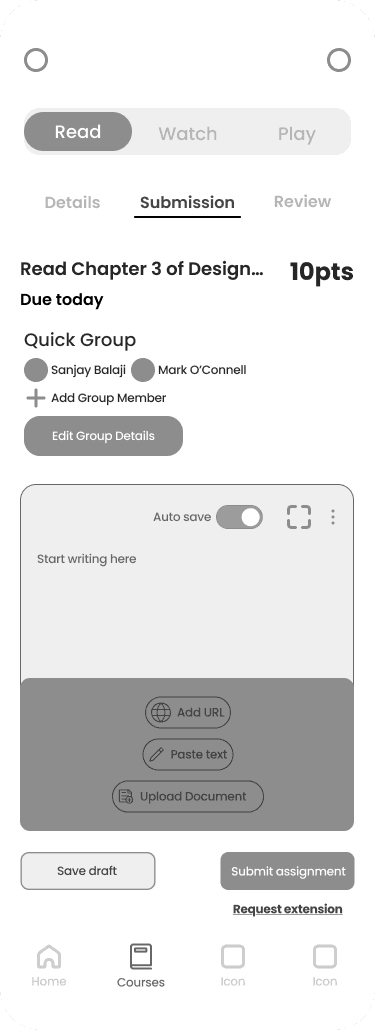
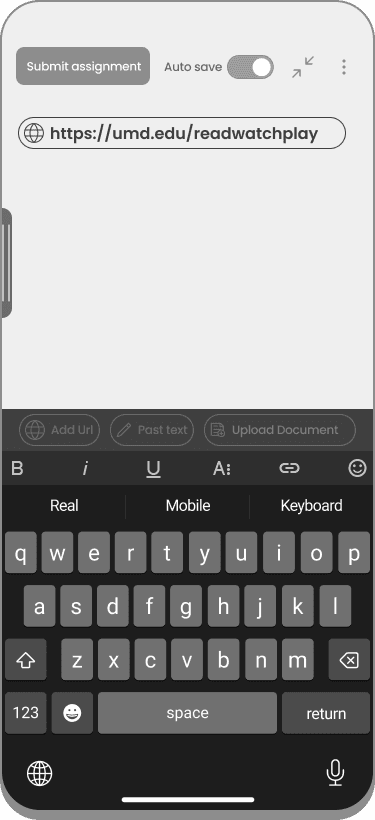
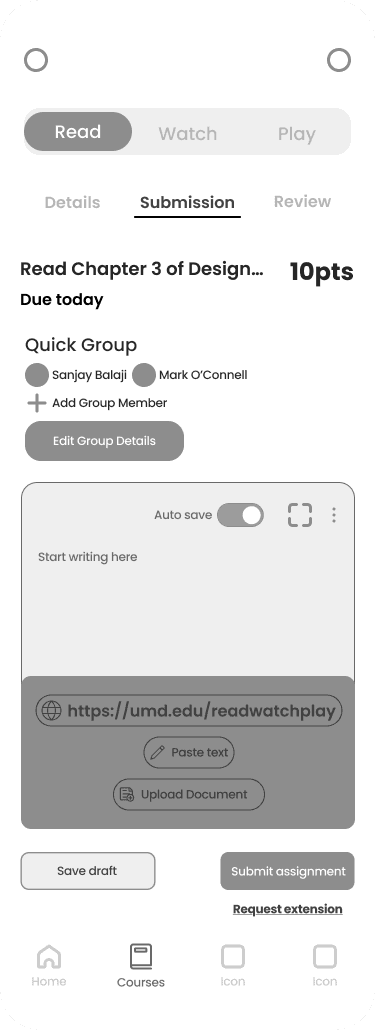
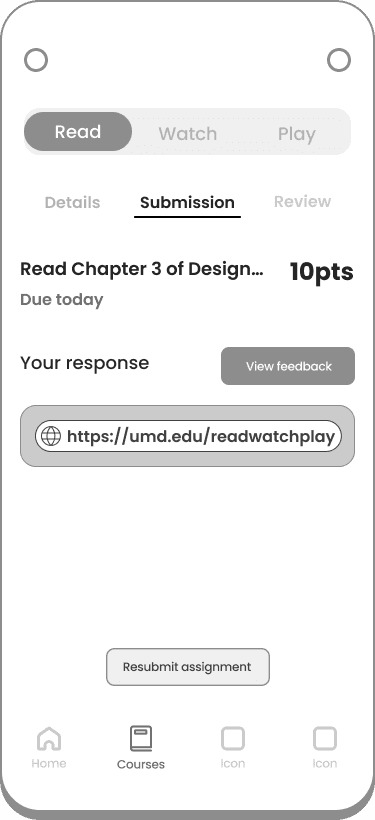
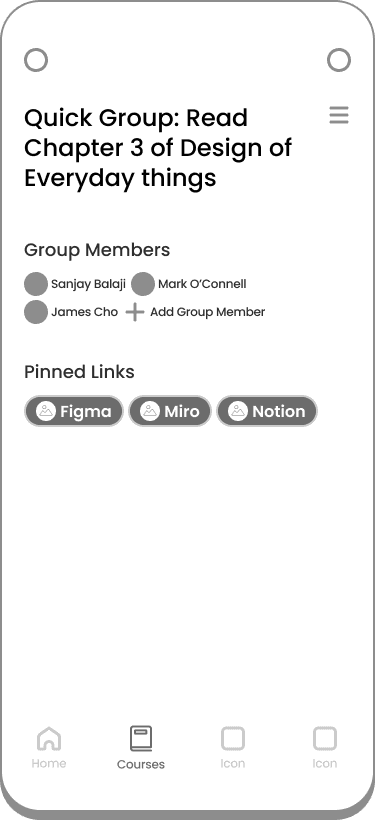
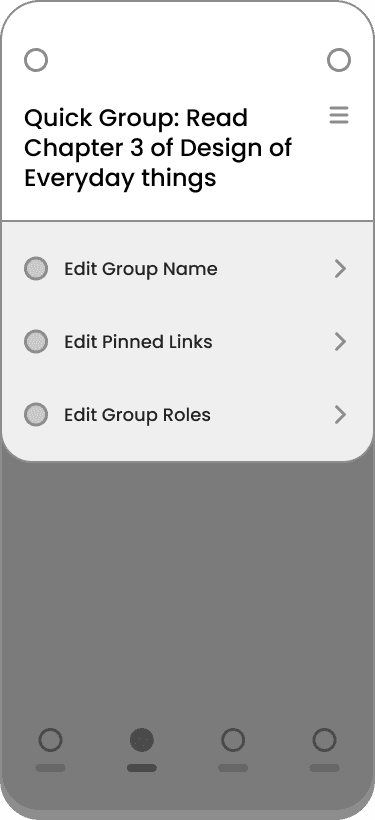
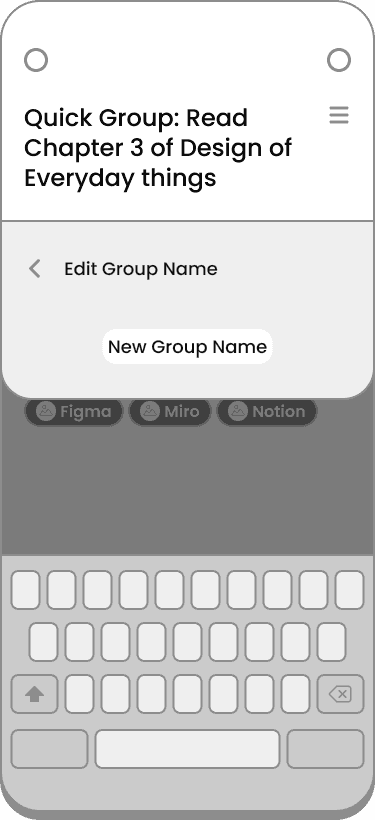
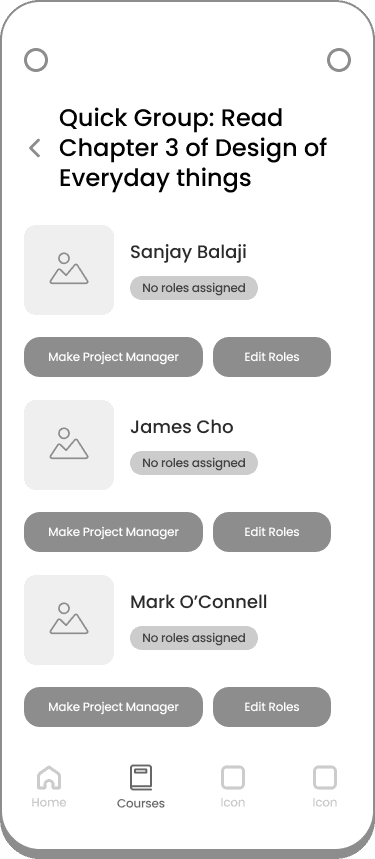
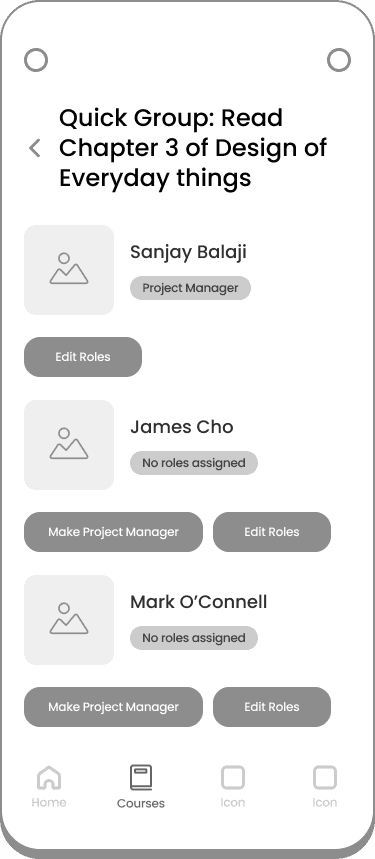
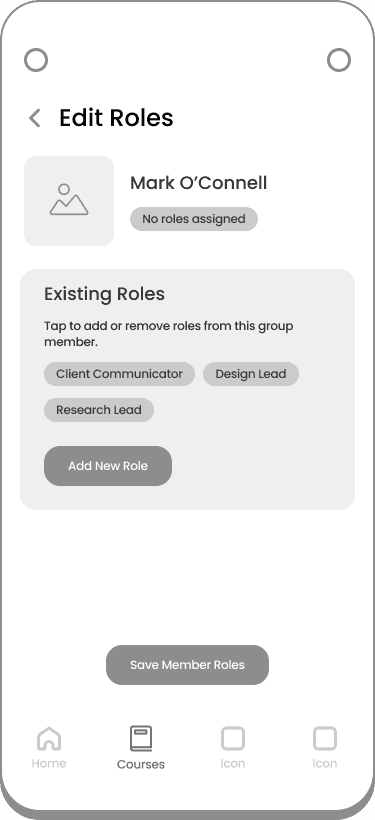
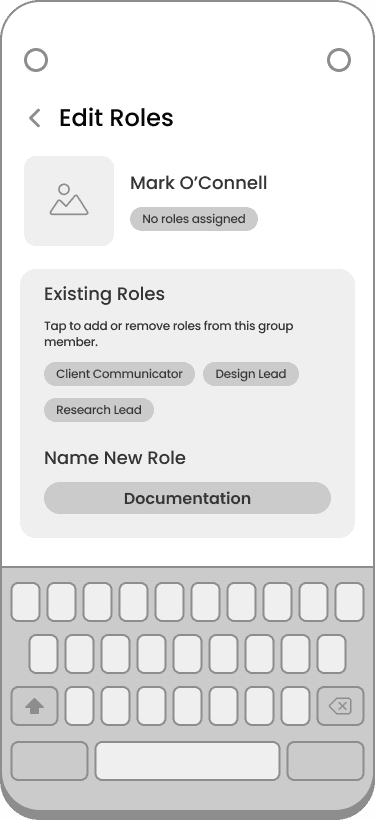
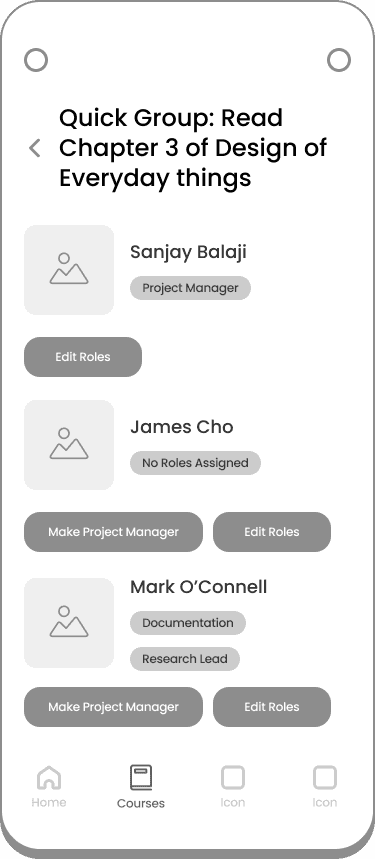
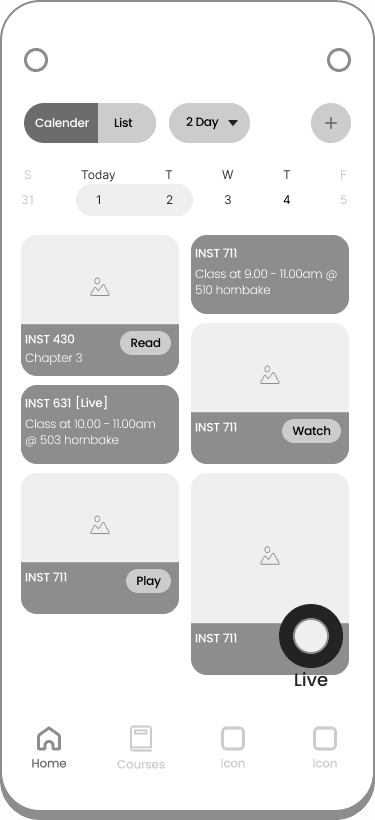
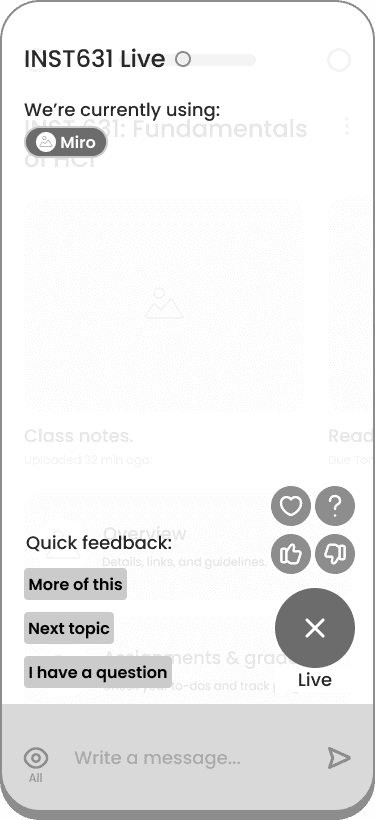
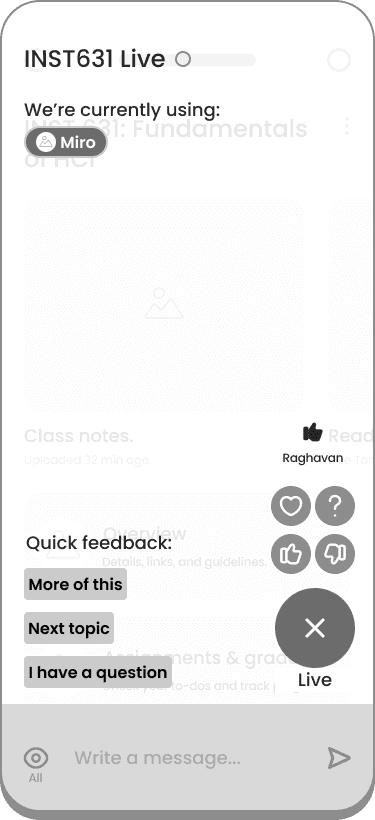
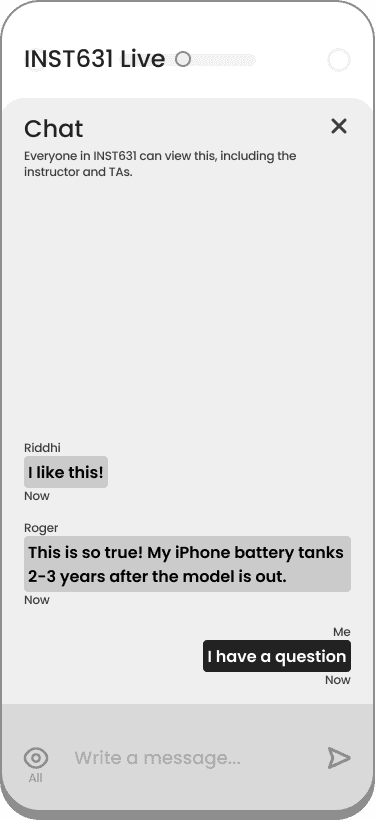
Student Side/Mobile View
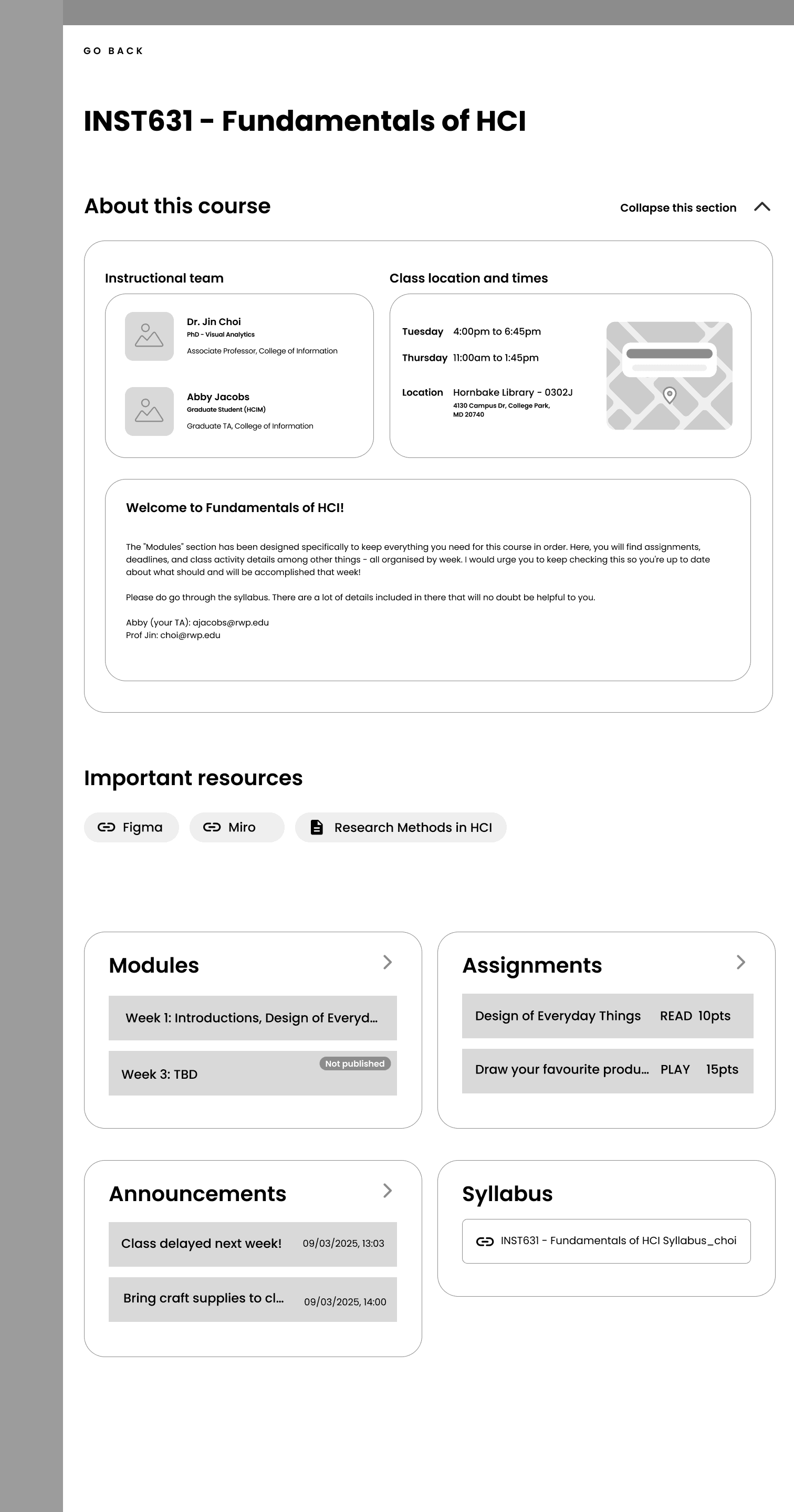
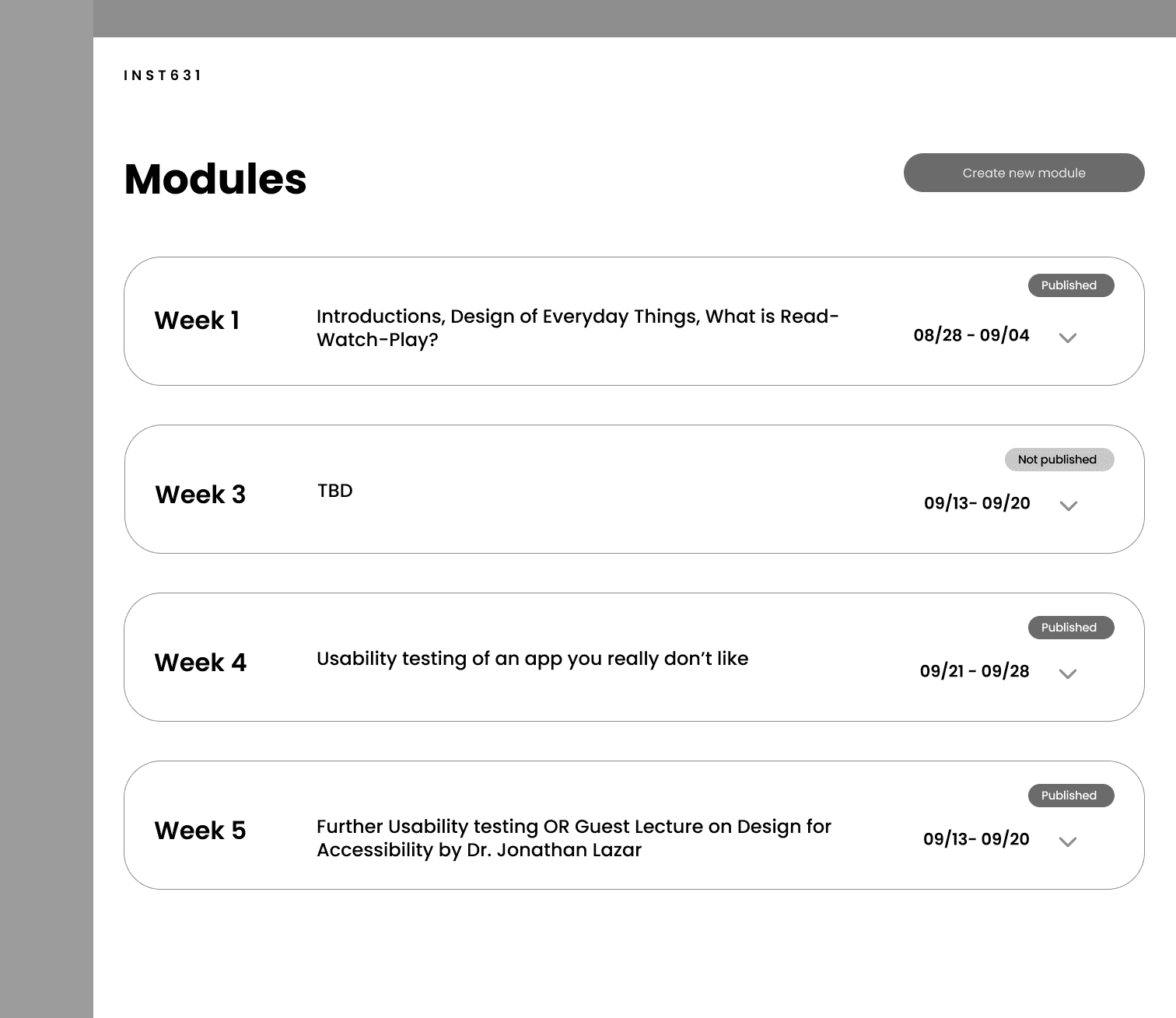
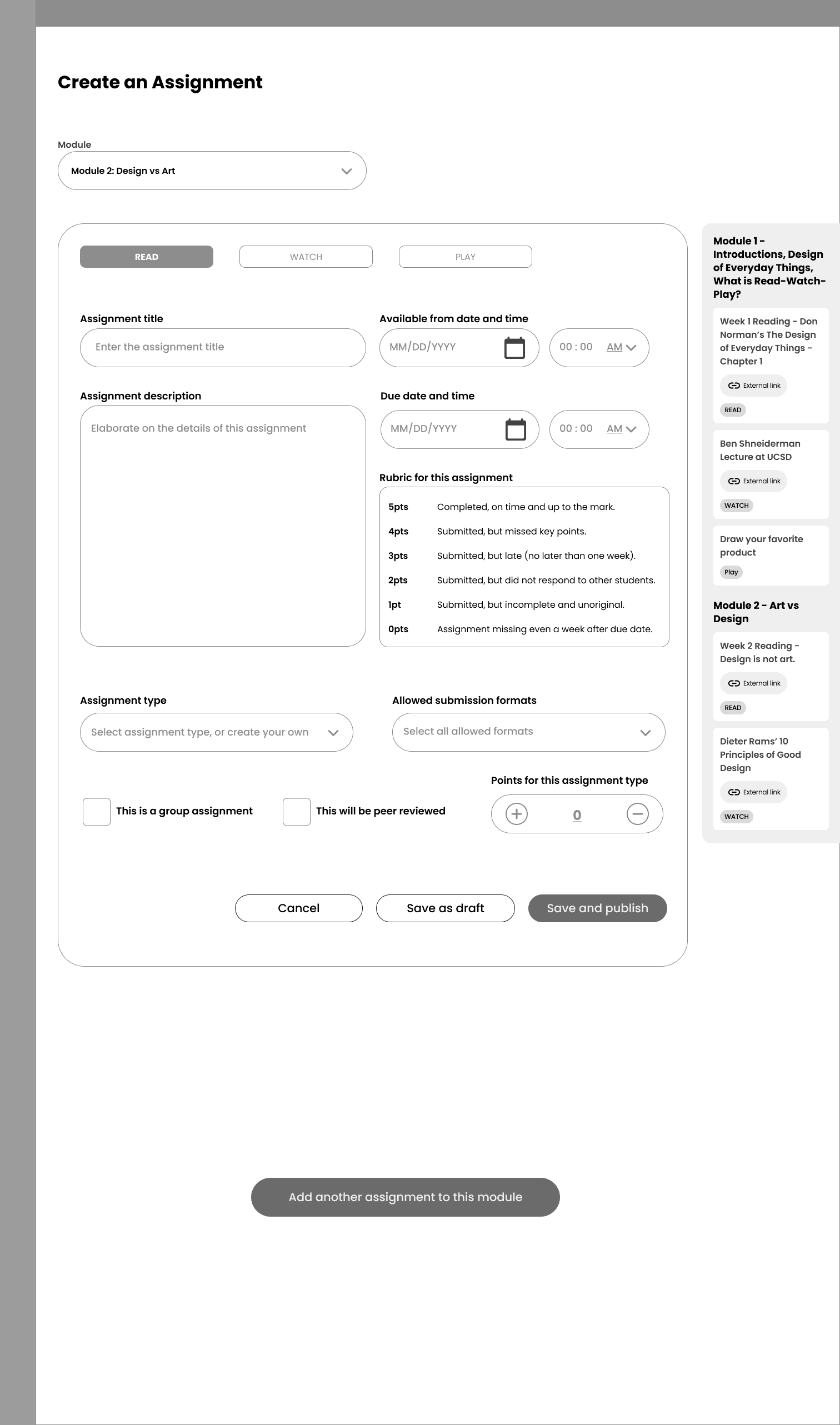
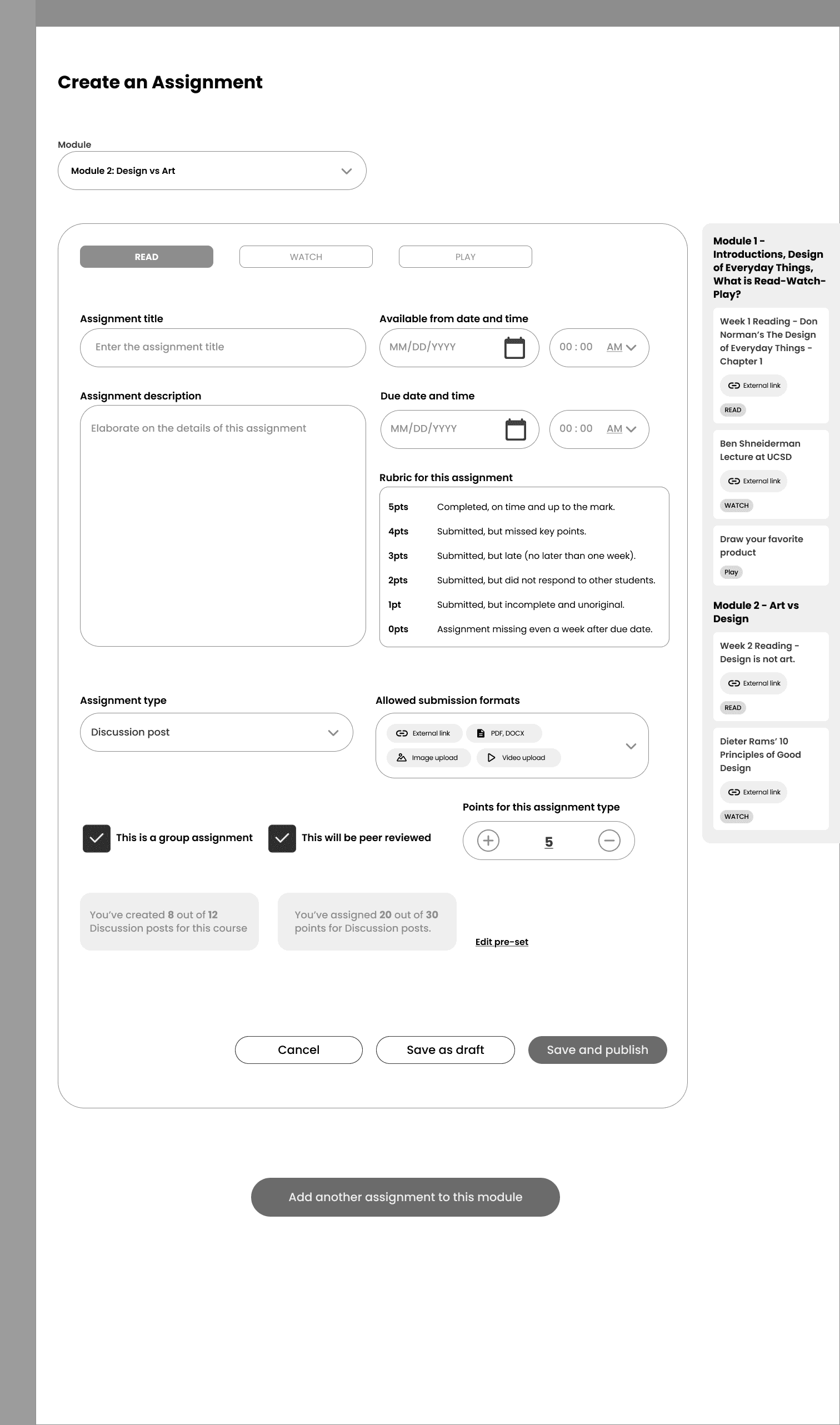
Student Side/Mobile View
User Testing
Our team conducted user testing with 5 students and 5 instructors to get feedback.
Changes Made
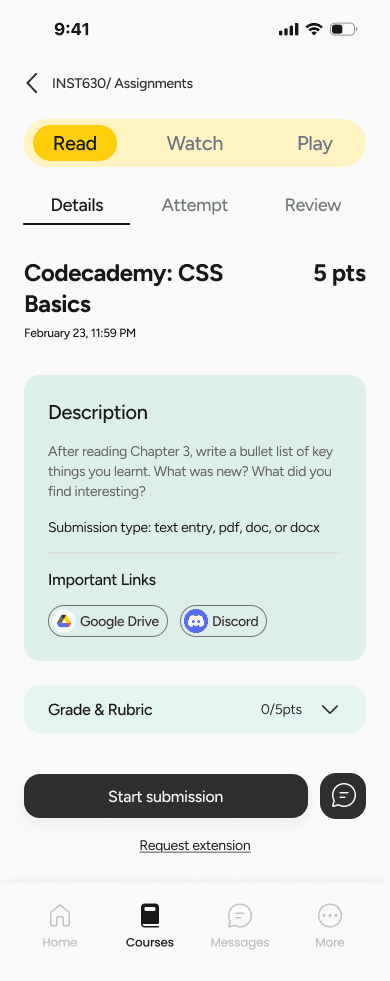
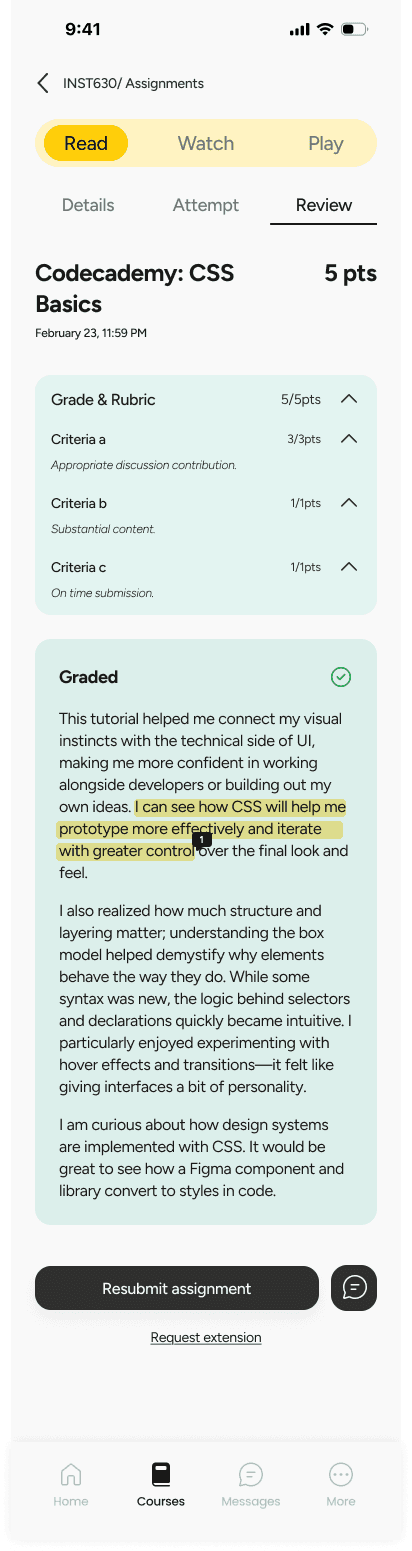
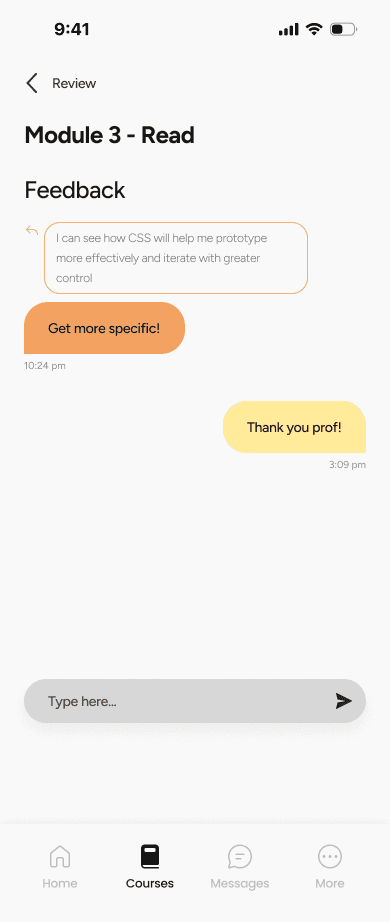
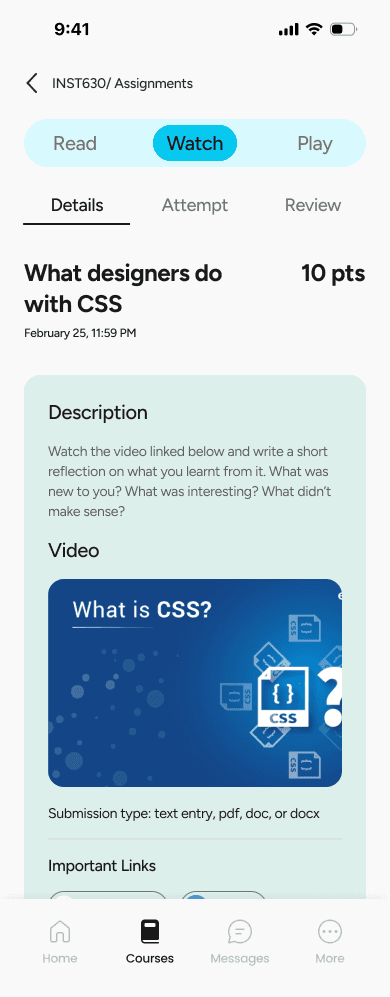
From the student-side, features involving interactions (live classes, chat for feedback) were well-received. However, button labels and text lacked clarity and some layouts had an overwhelming amount of information.
The instructor-side found the logic of the task flows for creating modules and assignment fit the RWP context well. However, the navigation, architecture and clarity in UX copy needed more definition.
High-Fidelity
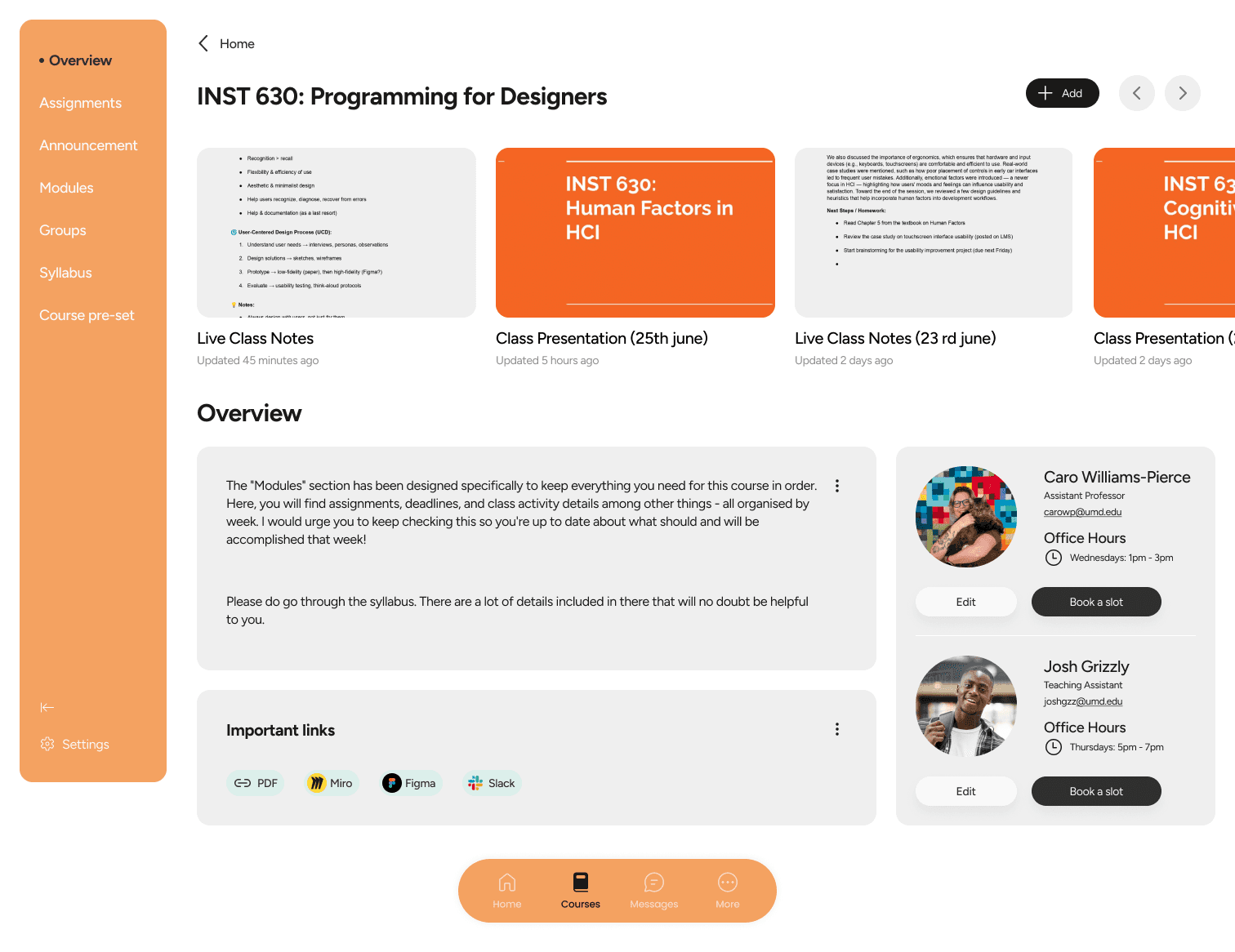
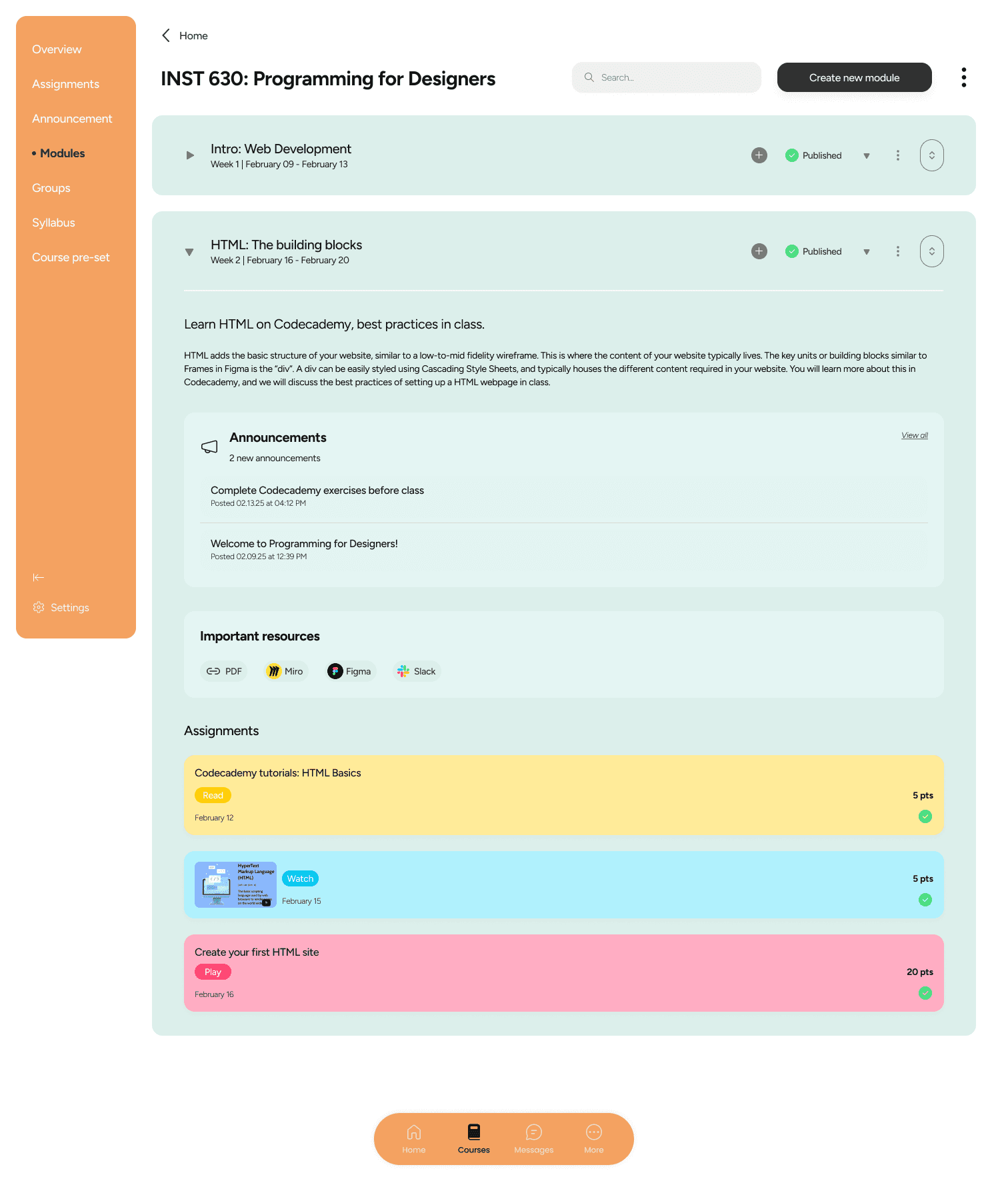
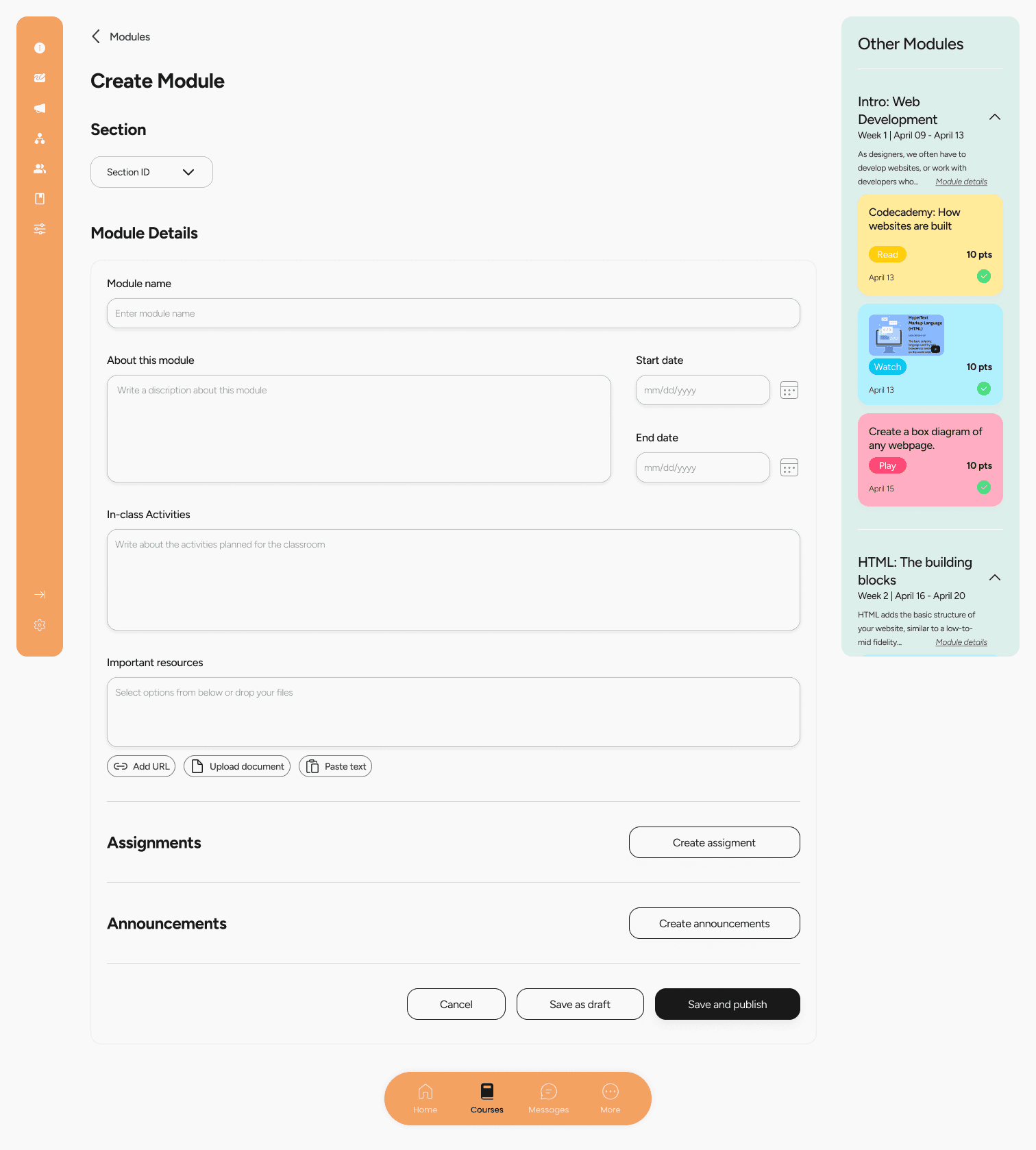
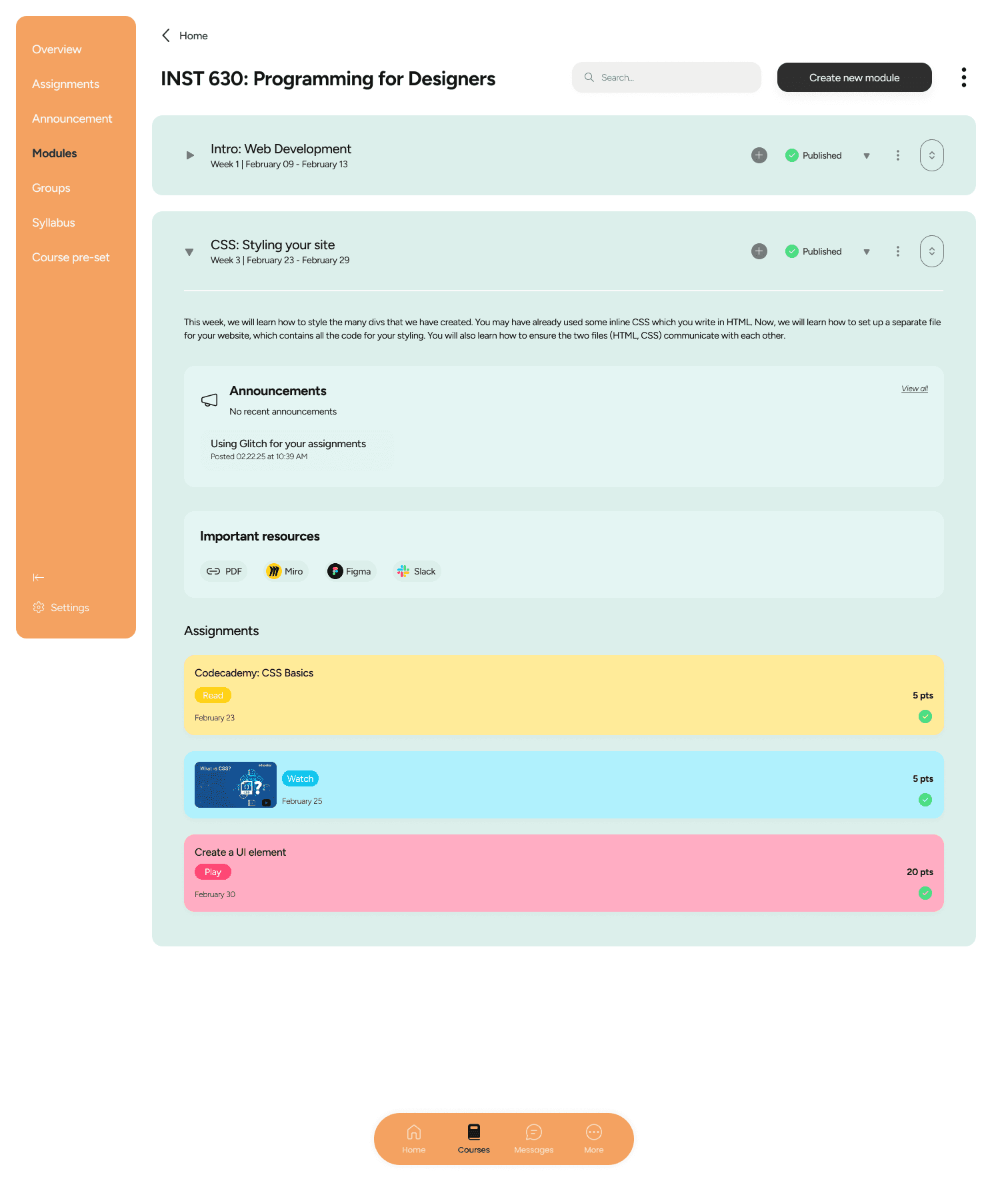
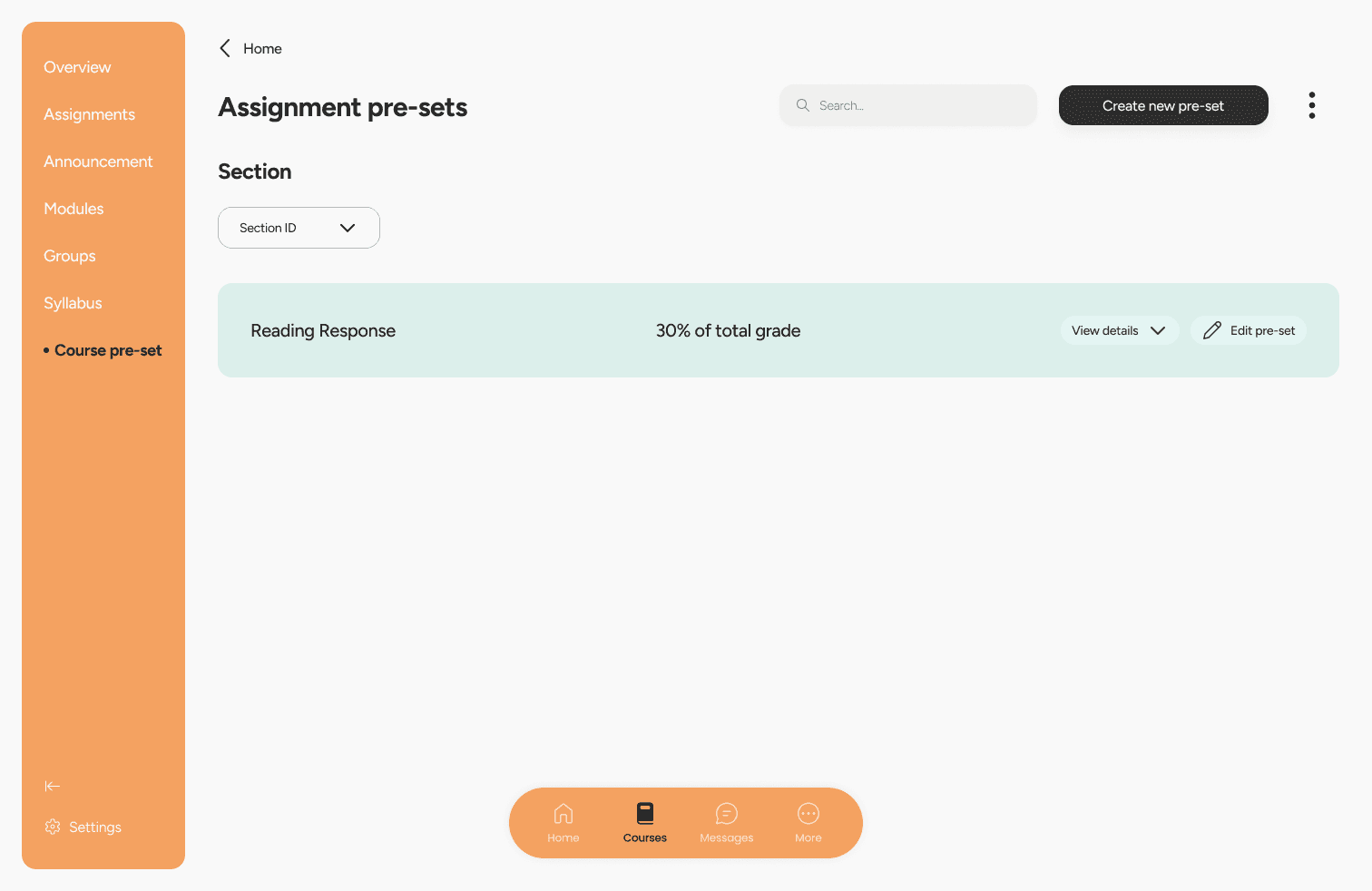
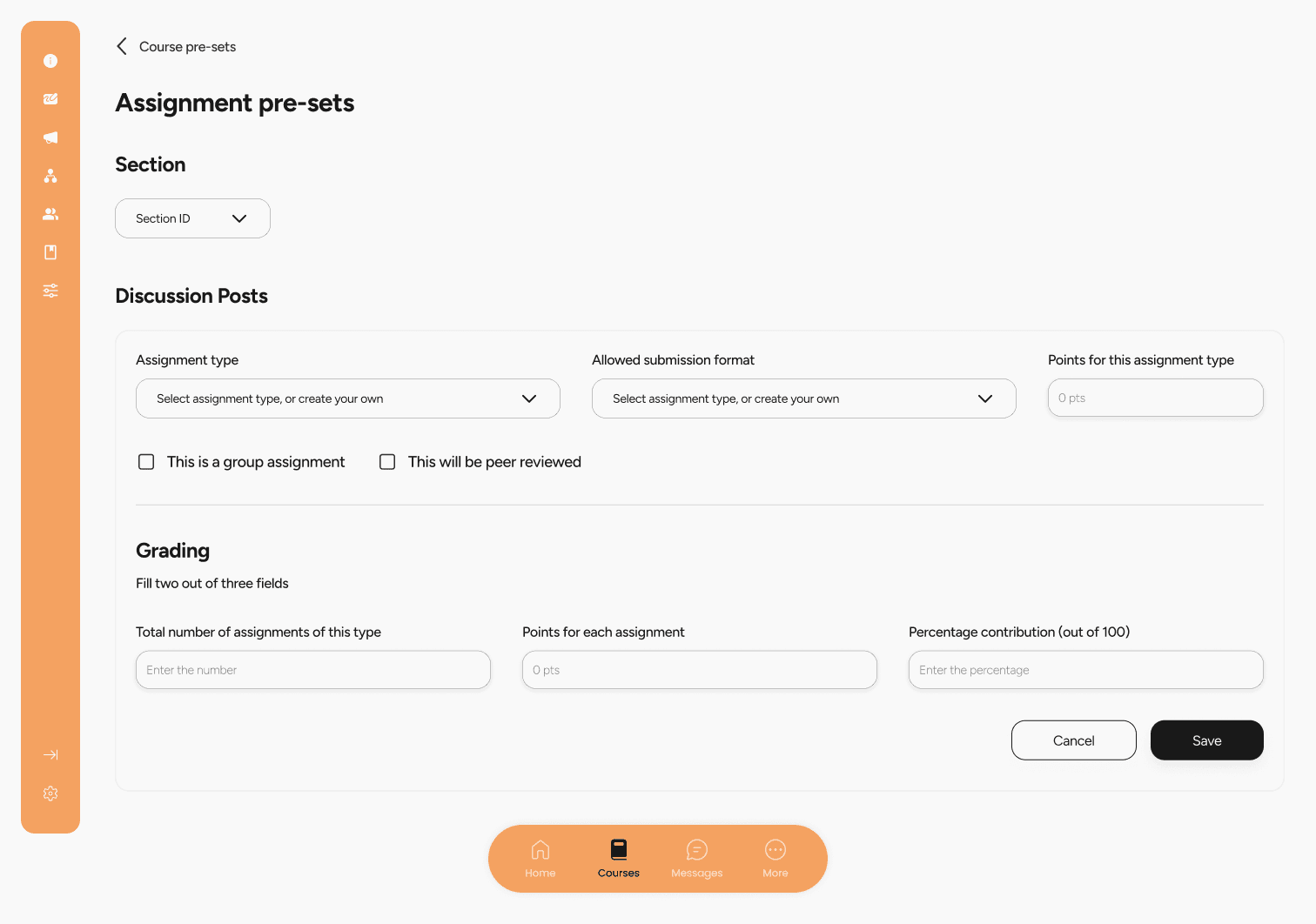
Using our established design system for the high-fidelity wireframe, we took the feedback from user testing and iterated on our mid-fi design before starting on our high-fi. Using the components we made, we created a playful and flexible platform.
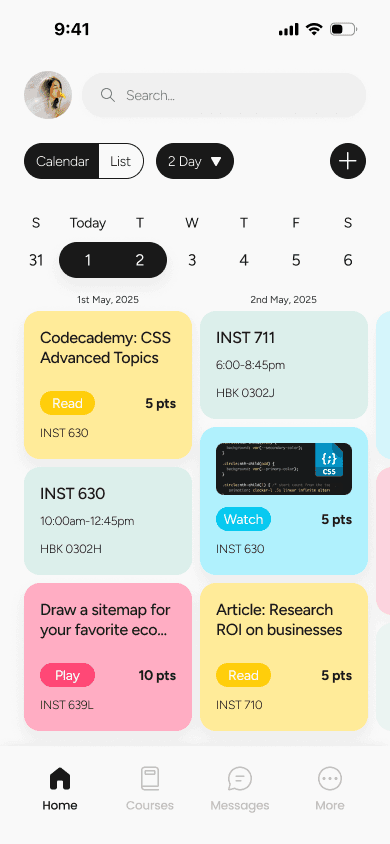
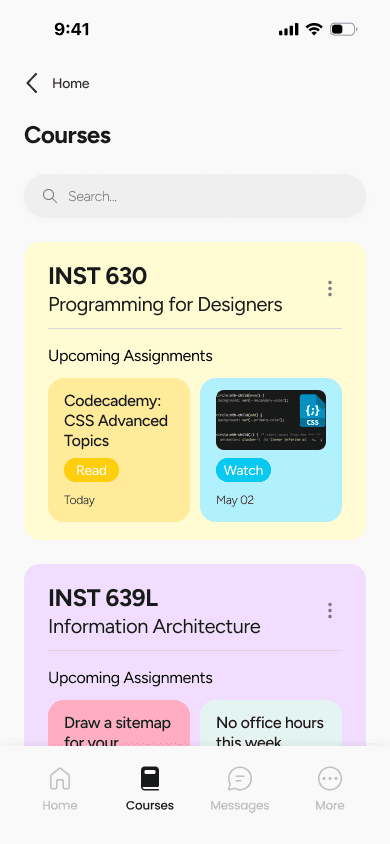
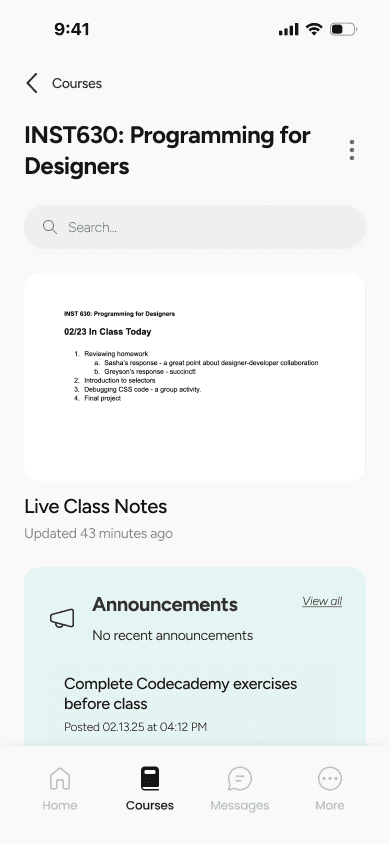
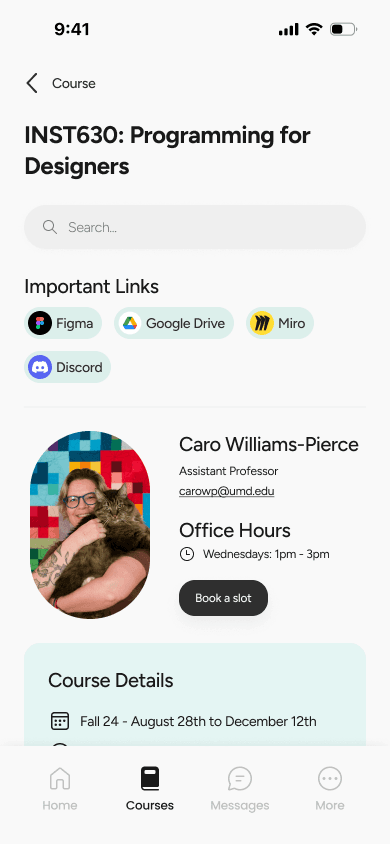
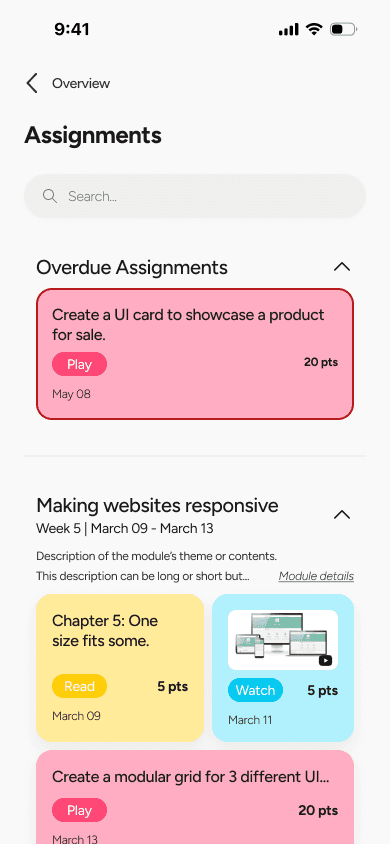
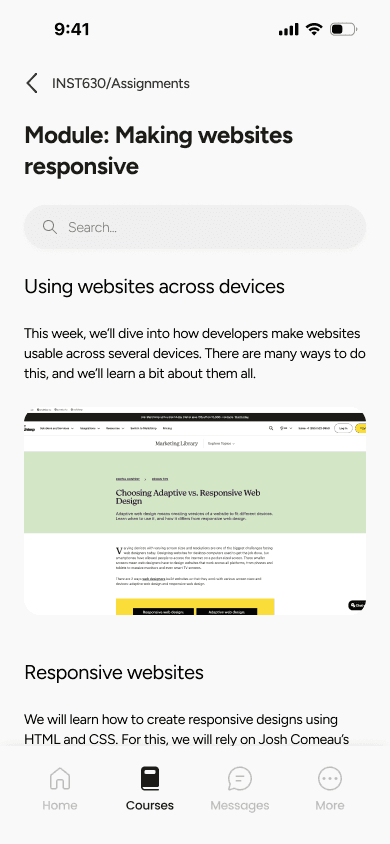
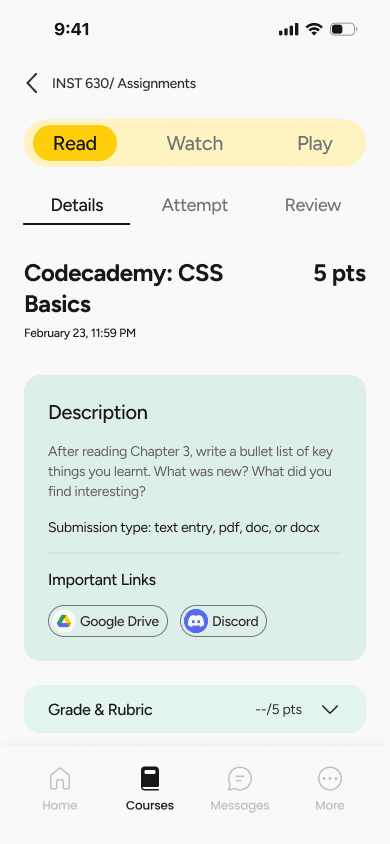
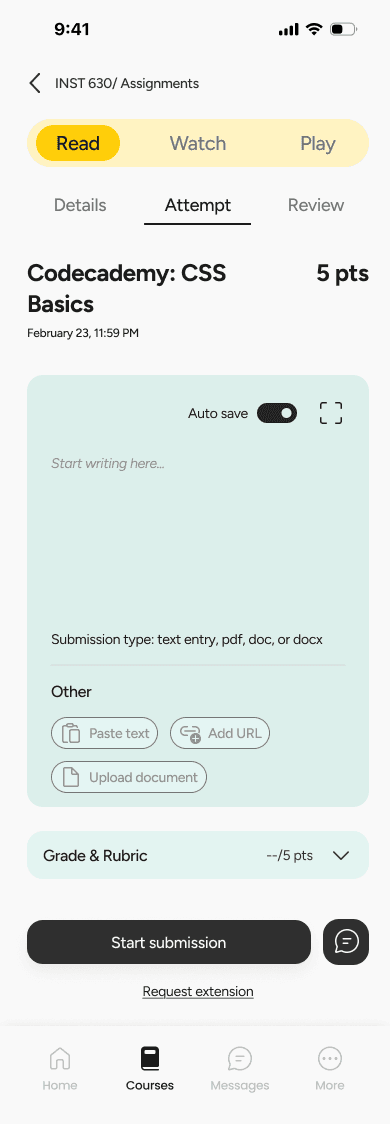
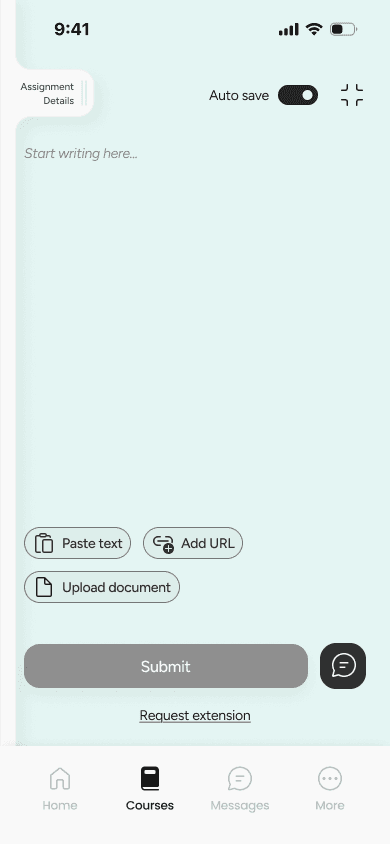
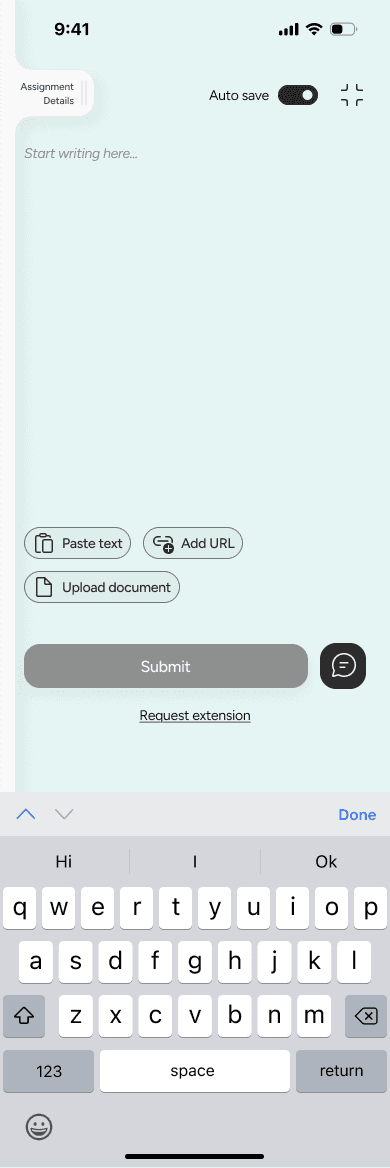
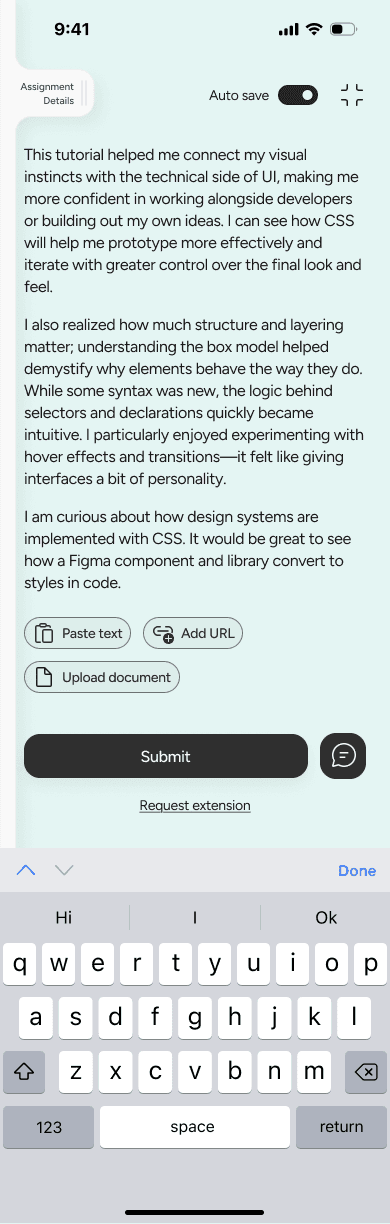
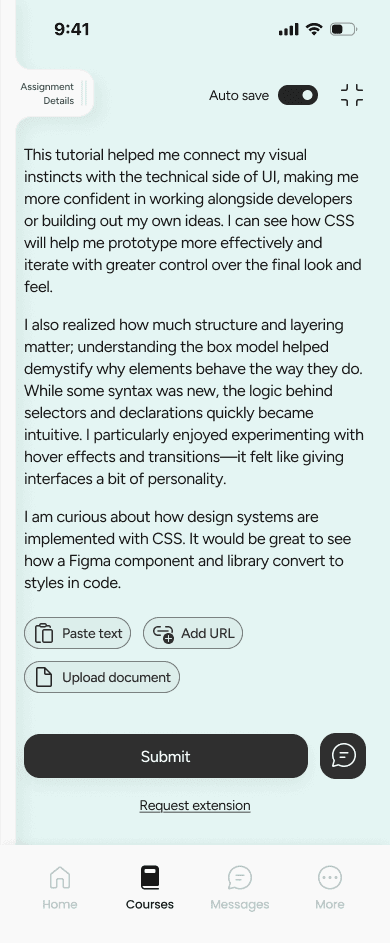
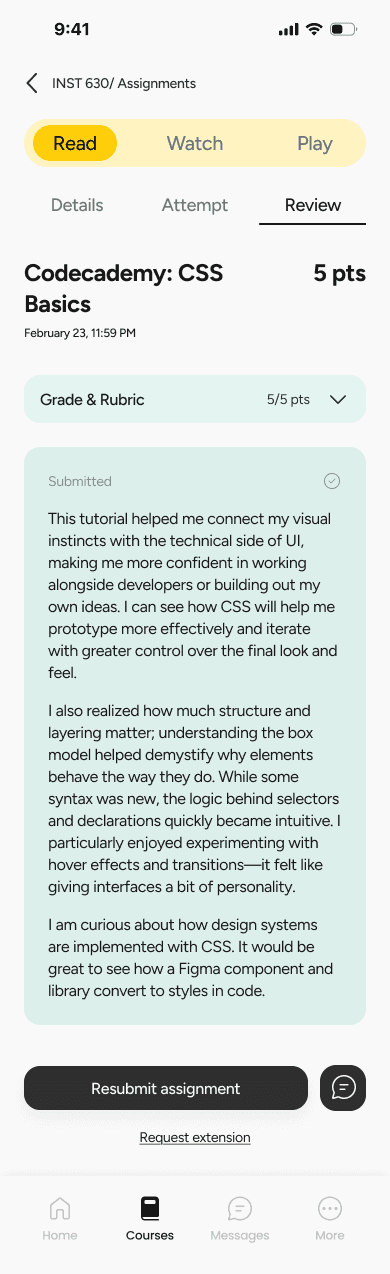
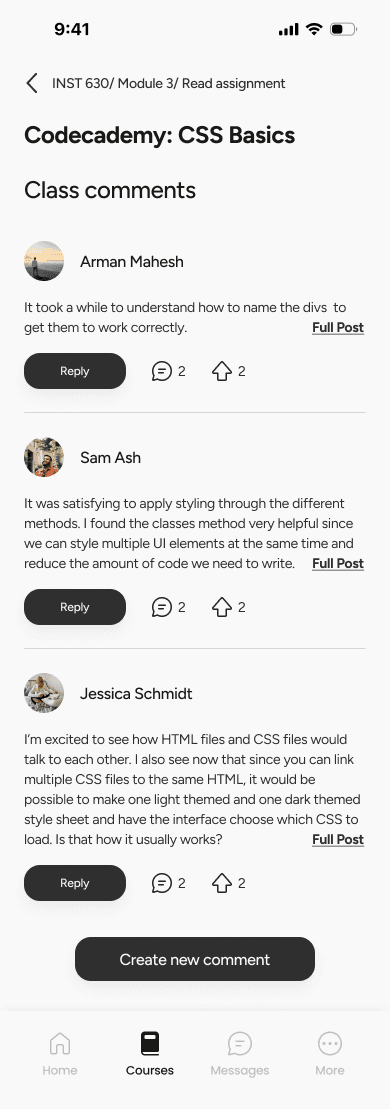
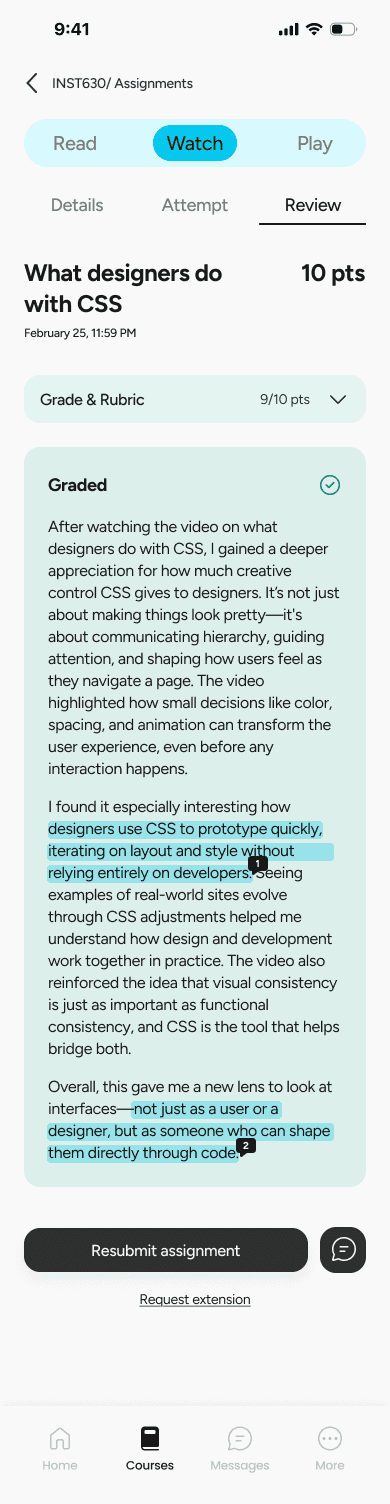
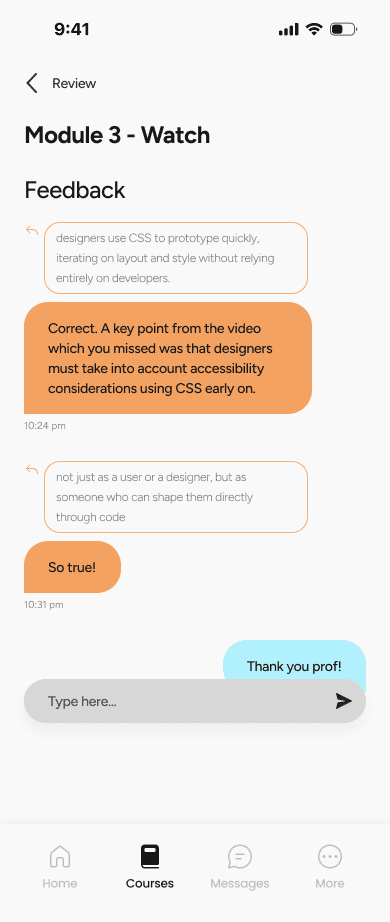
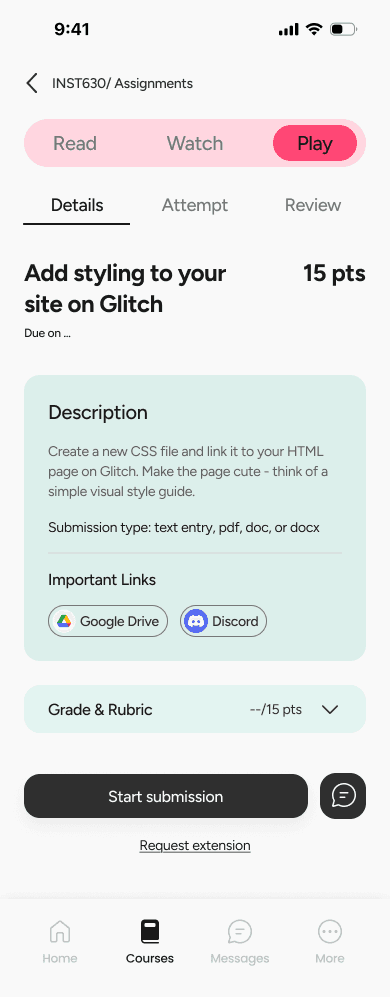
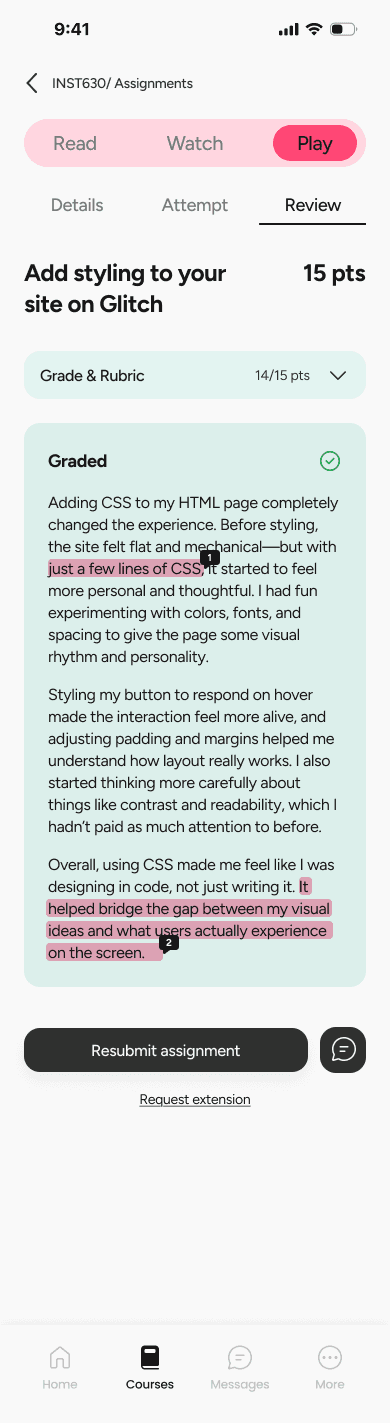
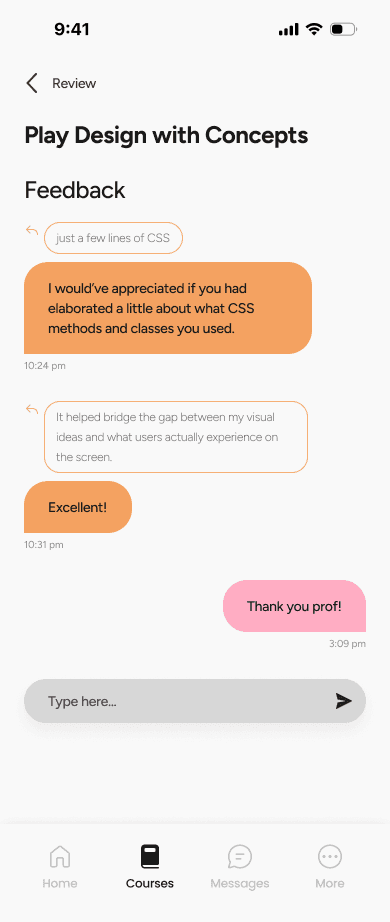
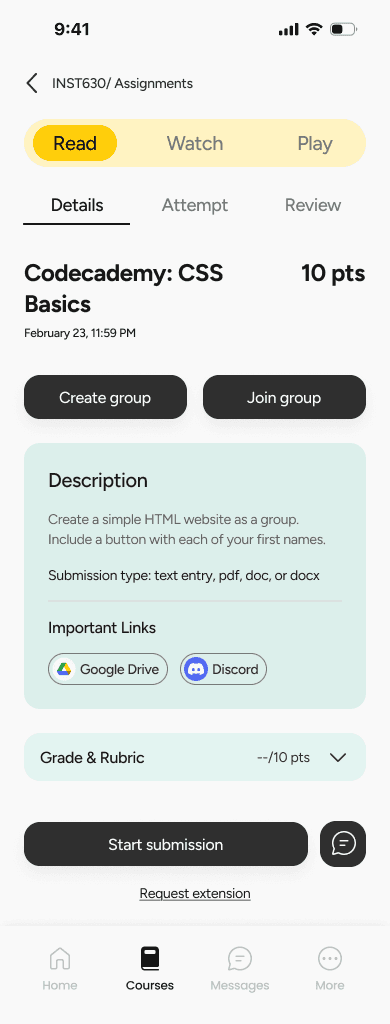
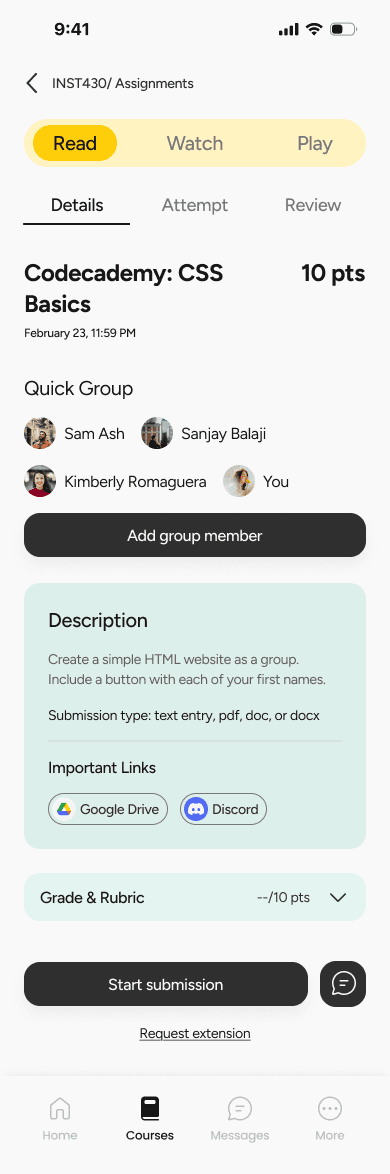
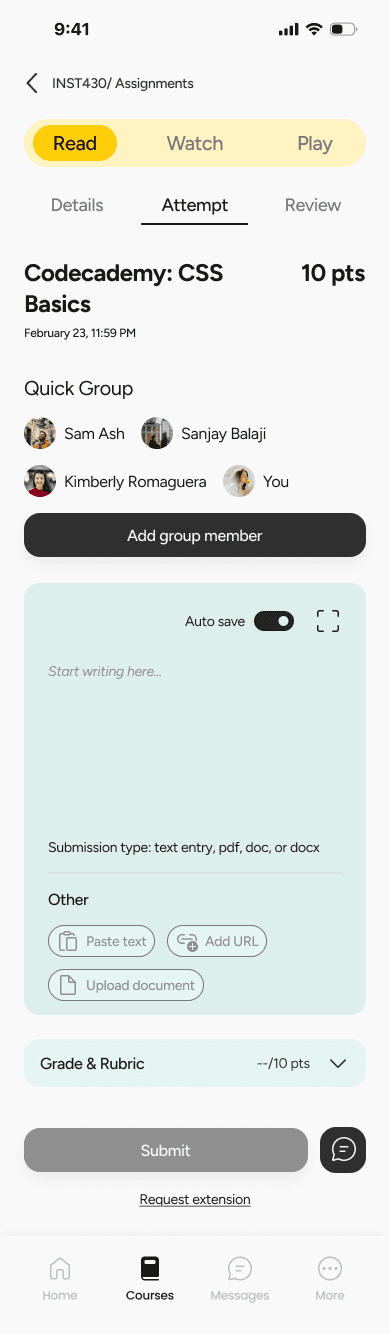
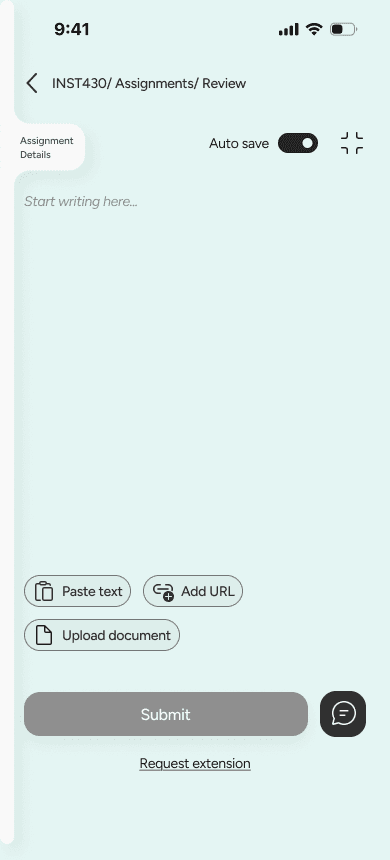
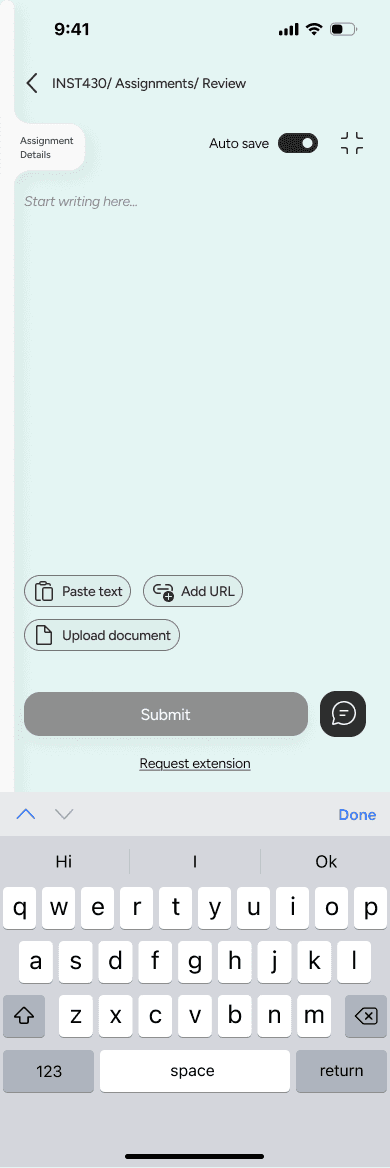
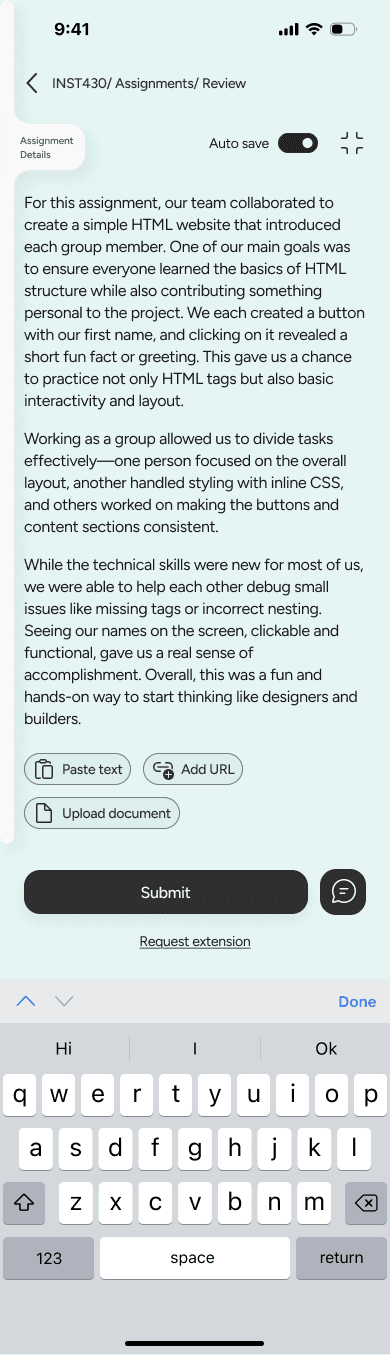
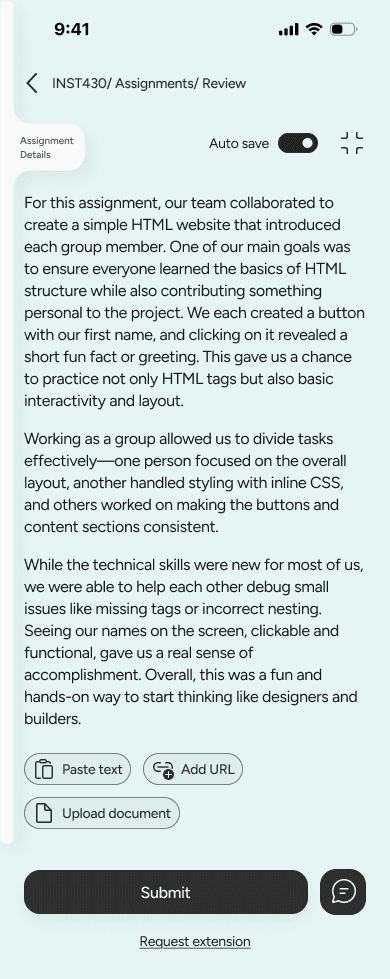
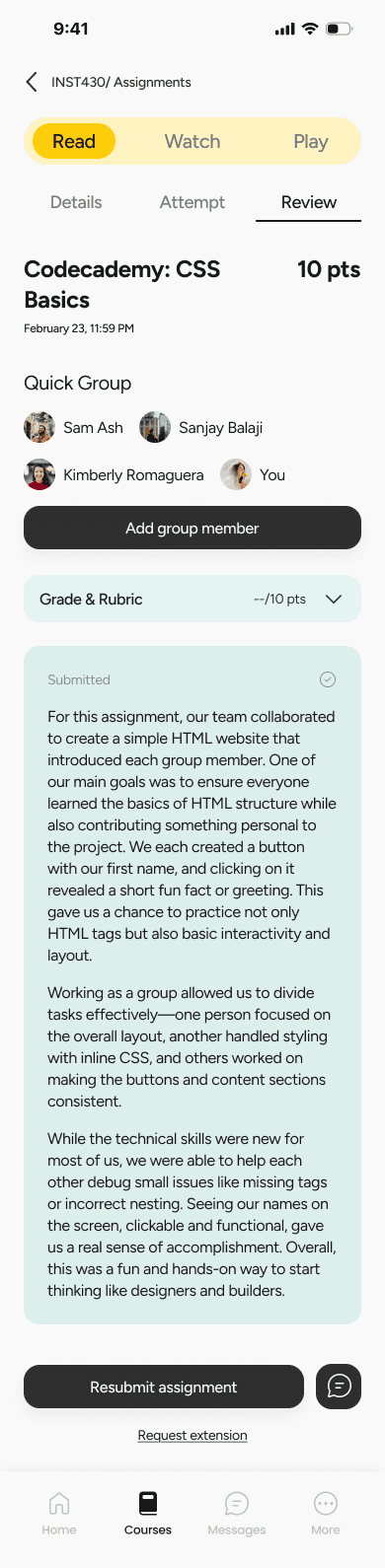
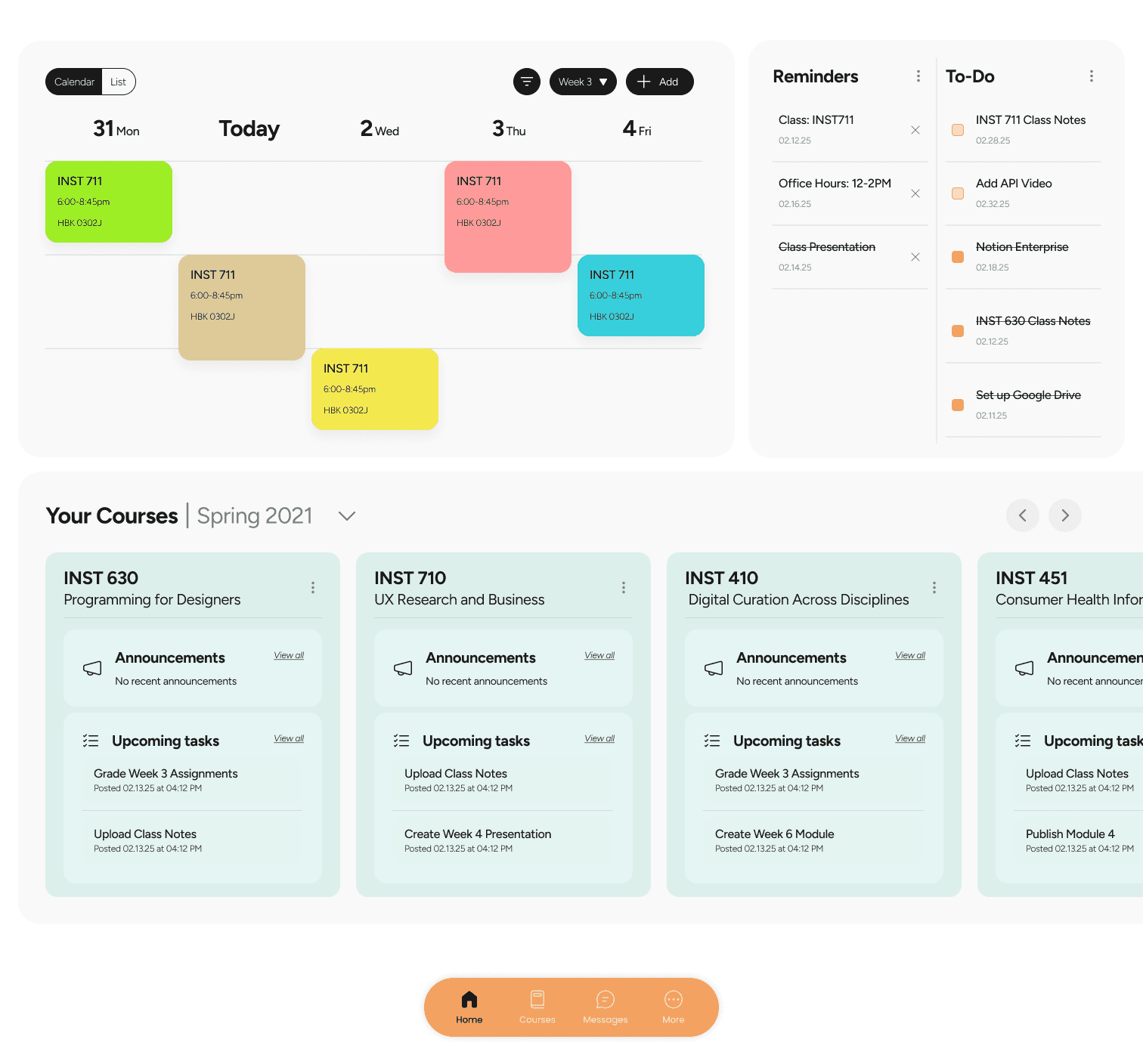
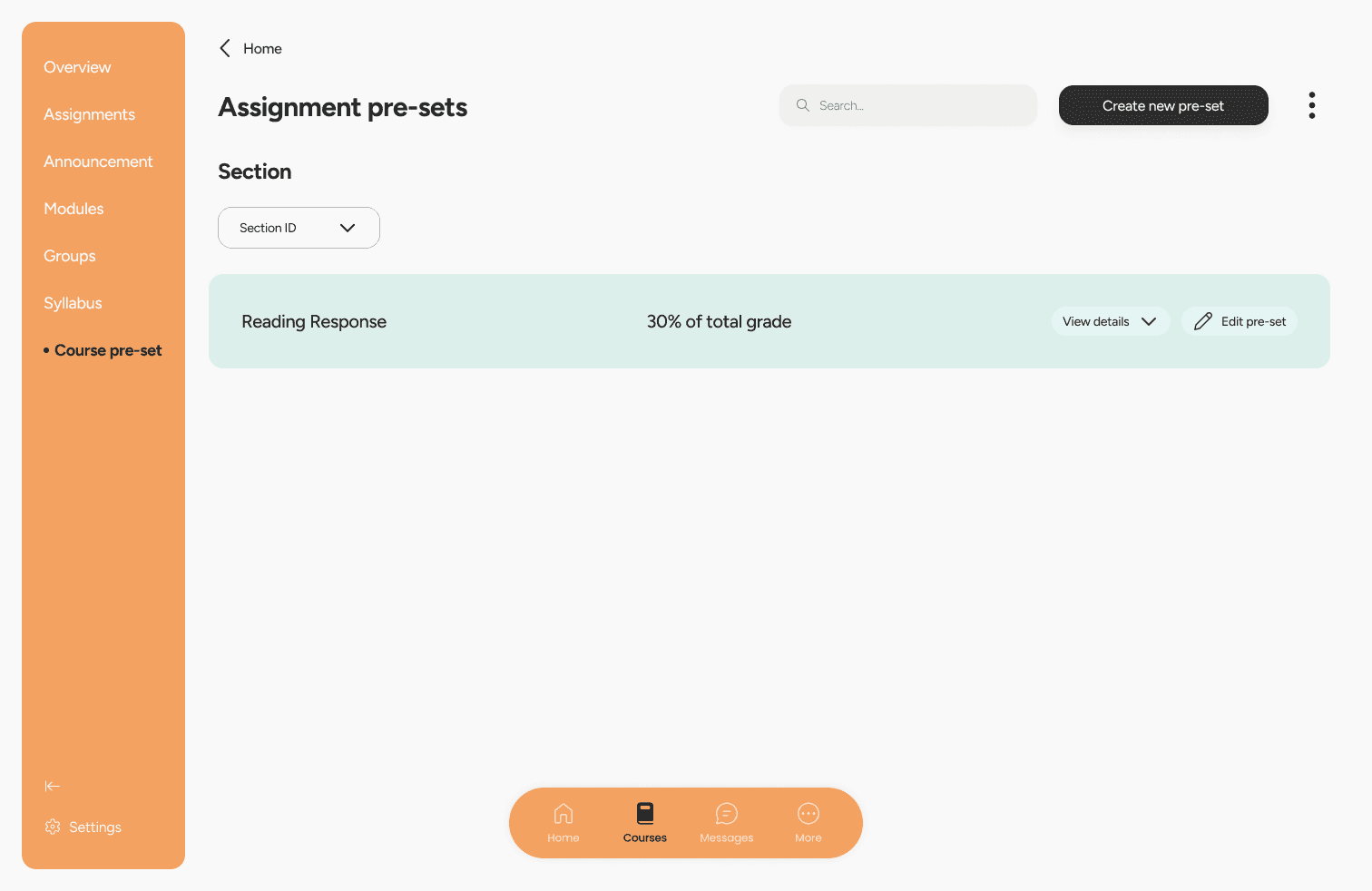
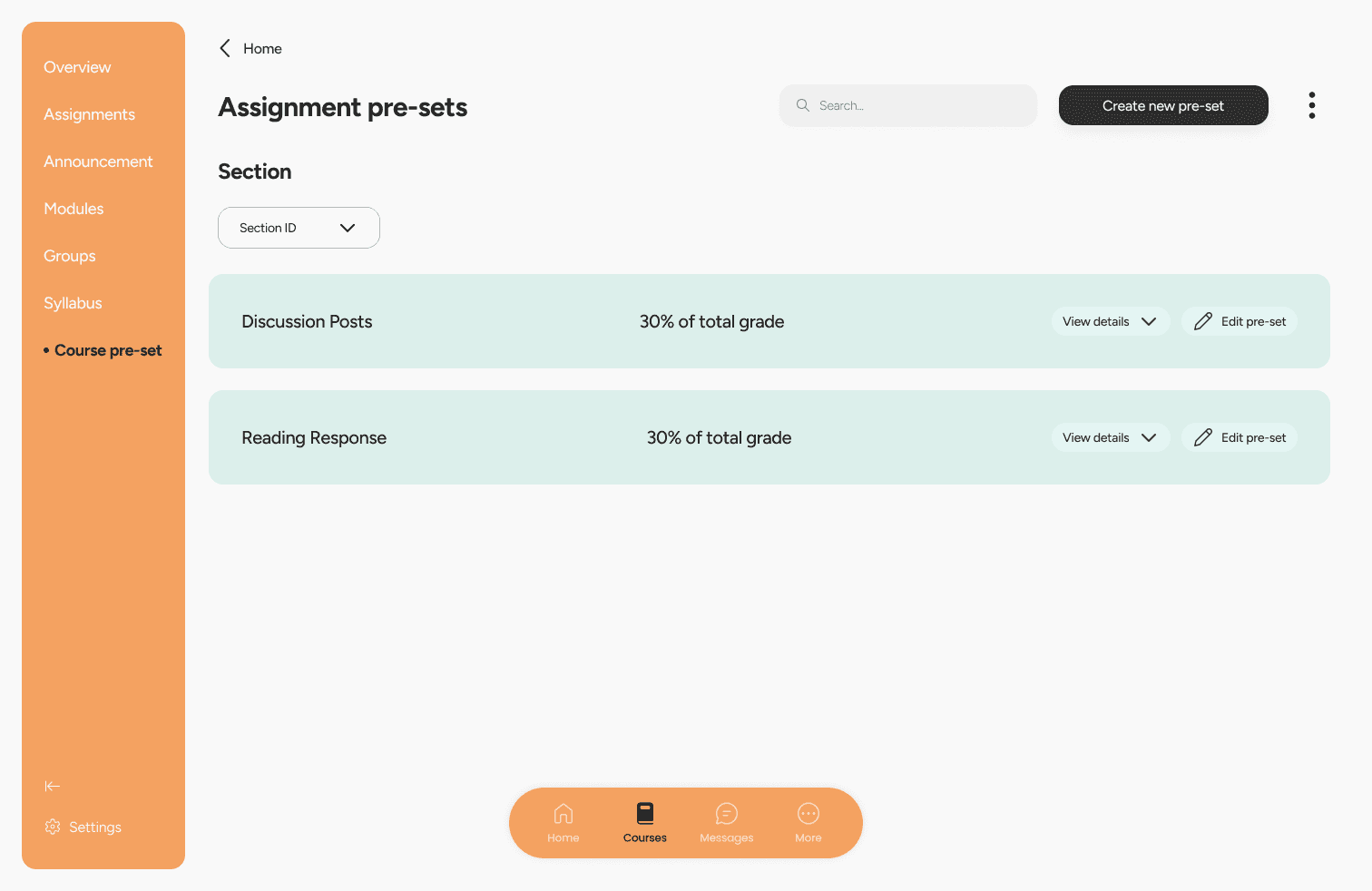
Student Side/Mobile View
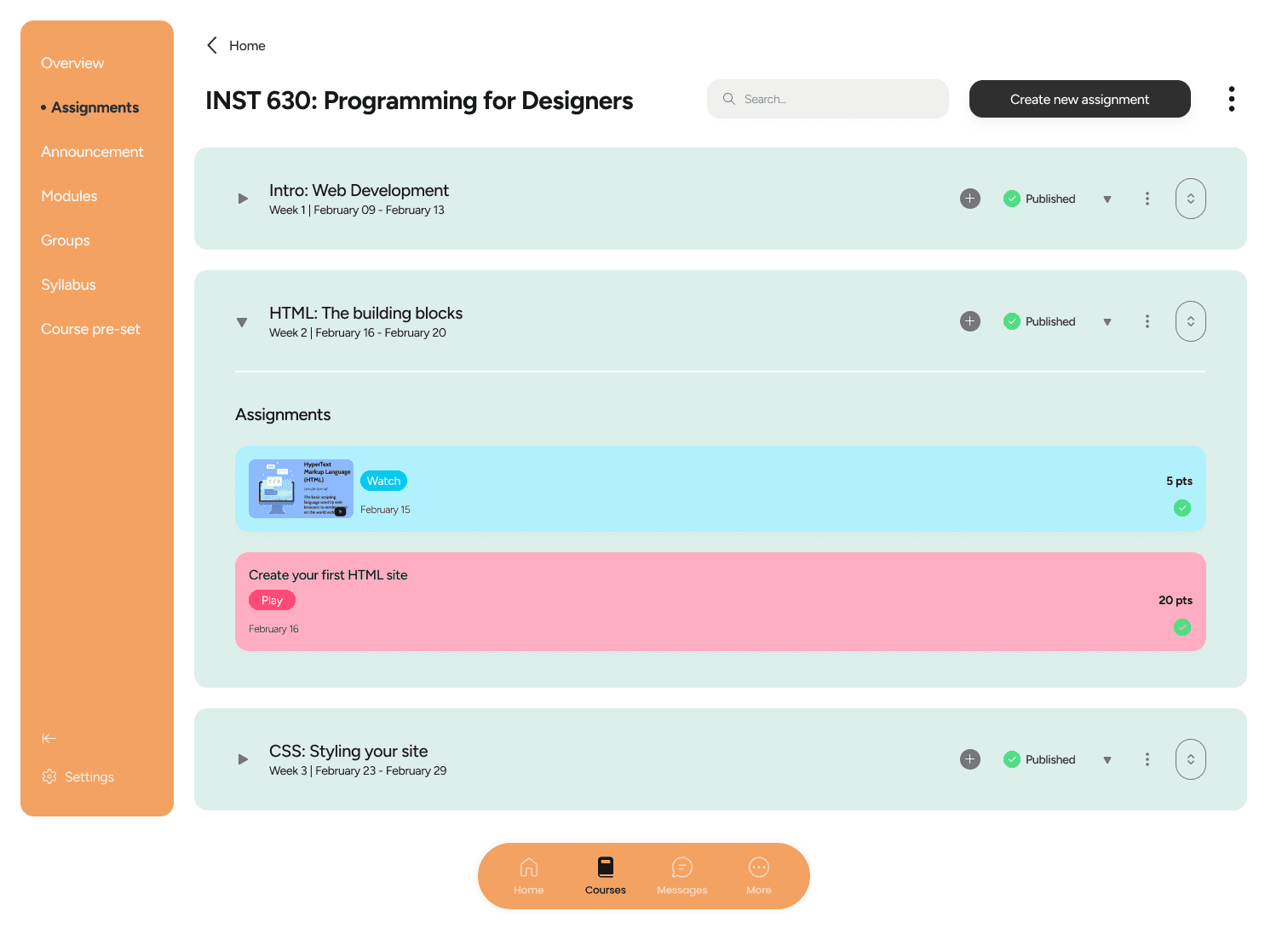
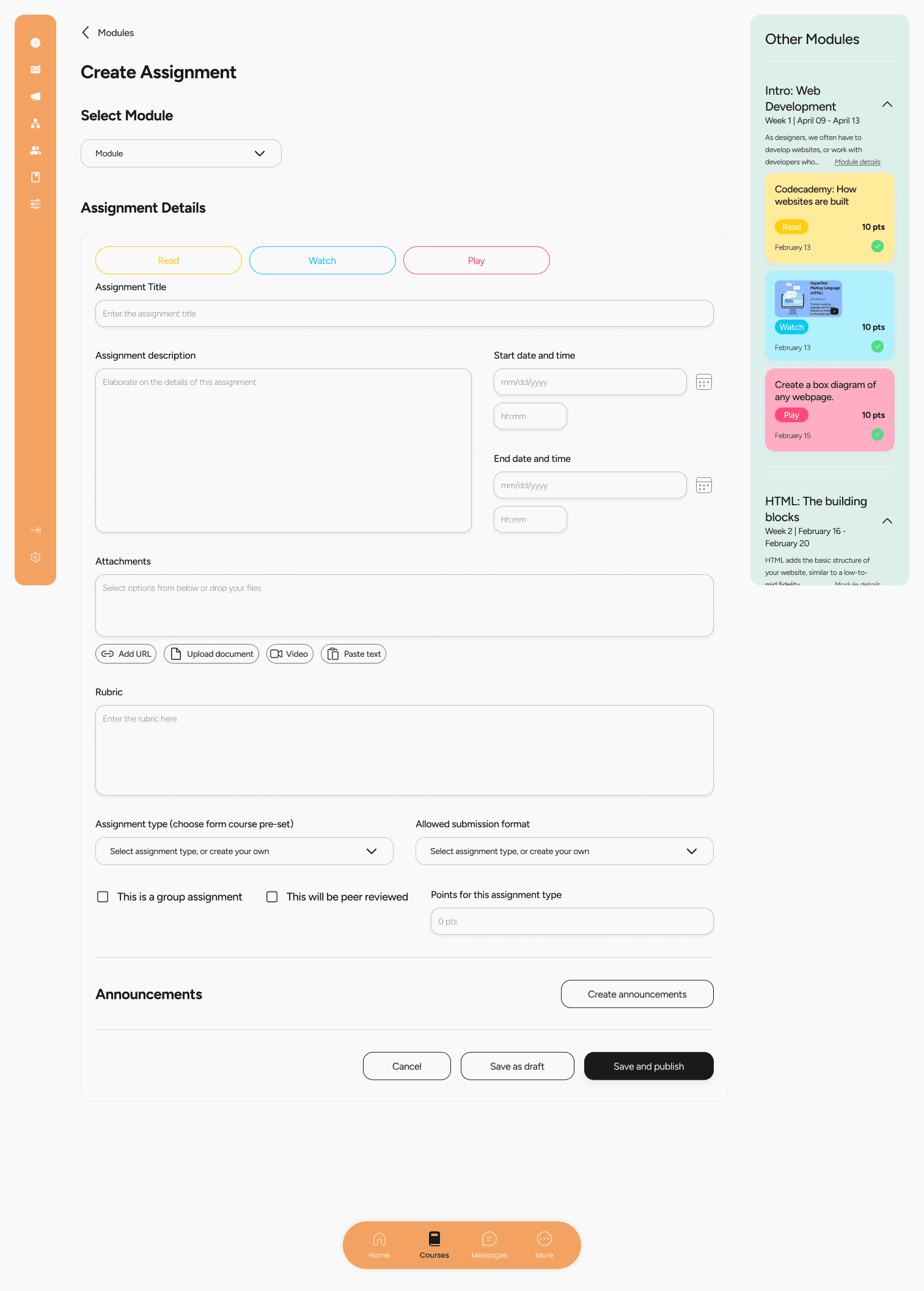
Instructor Side/Desktop View
Prototyping
We translated the design system into interactive prototypes to demonstrate real user flows for both student and teacher experiences.
Why Playwise?
Playwise is a flexible platform and pedagogy intended to be humane for both students and teachers alike.
Impact
Playwise makes teaching and learning approachable and engaging for all, through a dynamic mobile and web experience. Flexible and fun design system which can be adapted to various formats.
Our design system and platform architecture was used by following teams and developers to bring the Playwise platform live! It is now in live beta, supporting a small number of courses at the University of Maryland.